
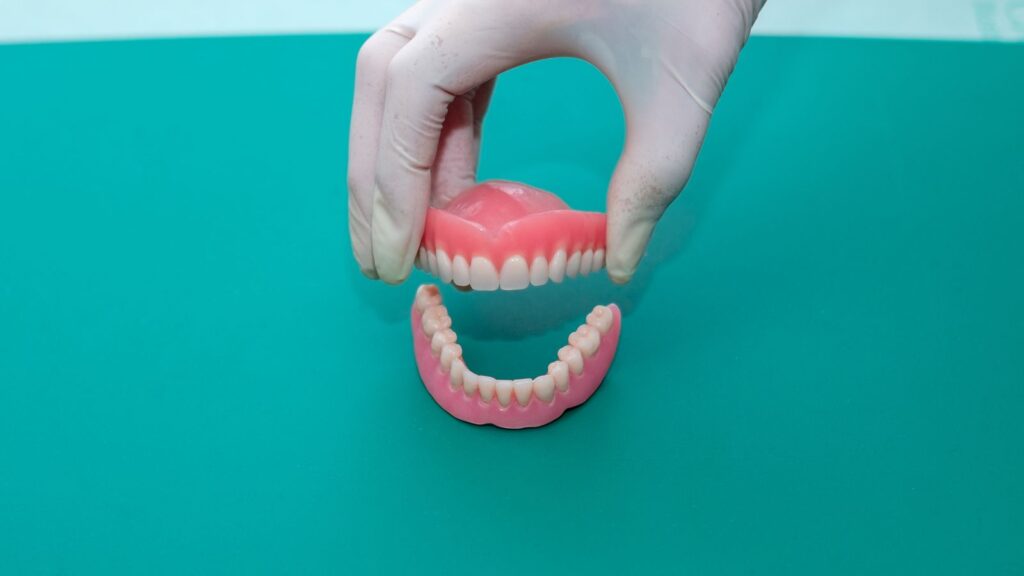
You can get dental implants safely as an older adult if your overall health and jaw bone support are suitable and your dental team plans treatment carefully. Implants have success rates in seniors comparable to younger adults when factors like bone density, chronic conditions, and oral hygiene are managed.
This article will explain how age itself rarely blocks implant treatment, what medical and dental checks matter, what the procedure and recovery look like for older patients, and the long-term benefits you can expect. Expect clear, practical information to help you decide whether implants fit your health status and lifestyle.
Safety of Dental Implants for Older Adults
Dental implants are commonly successful in older adults when you meet certain health and bone criteria. Knowing specific medical, surgical, and lifestyle factors helps you weigh benefits and risks and prepares you for informed decisions.
Age Considerations and Candidacy
Chronological age alone rarely disqualifies you from dental implants. Providers focus more on your medical history, bone quality, and oral health status. Well-controlled diabetes, stable cardiovascular conditions, and smoking habits typically matter far more than your birth year.
Adequate jawbone volume is essential for stable implant placement. If bone is thin or has resorbed, your clinician may recommend grafting procedures or the use of short or narrow implants. While these steps can add healing time and cost, they may expand your candidacy. Medication history also plays a role. Drugs such as bisphosphonates or other antiresorptives raise concerns about jaw osteonecrosis, so your dentist and physician will evaluate the duration and route of use before moving forward.
Functional needs and manual dexterity influence treatment planning as well. If daily hygiene or follow-up care may be challenging, implant-retained overdentures could be more appropriate than multiple individual implant crowns. For complex cases requiring surgical evaluation, consulting Greater Washington Oral and Maxillofacial Surgery, an oral surgeon for dental implants in Fairfax, VA, can help determine whether advanced techniques or grafting procedures are necessary to achieve a safe, predictable outcome.
Potential Risks and Complications
Surgical risks include infection, bleeding, nerve injury, and sinus complications for upper jaw implants. These occur infrequently but increase with poor healing capacity or complex surgeries.
Medical conditions such as uncontrolled diabetes or immune suppression raise infection and failure risk. Your provider will often require medical clearance or glycemic control before surgery.
Peri-implantitis — inflammation and bone loss around implants — is a leading long‑term complication. Poor oral hygiene, smoking, and history of periodontitis raise your risk.
Medication-related osteonecrosis of the jaw (MRONJ) is rare but serious for patients on certain antiresorptives or angiogenesis inhibitors; coordinate care with your prescribing physician. Regular maintenance, quitting smoking, and prompt treatment of gum disease lower complication risks.
Success Rates in Seniors
Multiple studies report implant survival in older adults that approximates younger cohorts when health and bone conditions are favorable. Typical 5–10 year survival rates often exceed 90% in well‑selected patients.
Success depends on factors you can control: smoking cessation, consistent hygiene, and attending scheduled maintenance visits. Preexisting periodontal disease and poor bone quality reduce success probability.
Clinicians use risk assessment tools and imaging (CBCT) to plan implant position and size, improving outcomes. When bone grafting or systemic issues are addressed appropriately, your long‑term function and satisfaction with implants are generally high.
Health Factors Influencing Dental Implant Outcomes
Key factors that most influence implant success are the quality of the jawbone, your overall medical status, and medications that affect bone healing and infection risk. Each factor can change how your clinician plans surgery, selects implant type, or times healing.
Impact of Bone Density
Your jawbone must provide stable support for the implant; low bone density reduces initial fixation and long-term osseointegration. If bone height or width is insufficient, your dentist may recommend bone grafting, ridge augmentation, or short/wide implants to increase contact area and mechanical stability.
Imaging with CBCT or panoramic X‑rays quantifies bone volume and density; these measures guide implant diameter, length, and placement angle. Smoking and long-term osteoporosis therapy can both lower local bone quality and raise failure risk, so your clinician will assess those factors before proceeding.
Role of Existing Medical Conditions
Certain chronic diseases change healing capacity and infection risk. Poorly controlled diabetes raises the risk of peri-implant infection and delayed osseointegration; your implant team will typically require stable HbA1c and medical clearance before surgery.
Autoimmune conditions, radiotherapy to the head/neck, and advanced renal or hepatic disease also affect bone turnover and immunity. Your care plan may include medical consultation, altered surgical technique, or staged procedures to reduce complications specific to your condition.
Medications and Healing
Medications that alter bone remodeling or immune response can change implant prognosis. Bisphosphonates and denosumab, used for osteoporosis, carry a low but important risk of medication-related osteonecrosis of the jaw (MRONJ), especially after invasive oral surgery; your provider will review duration and route (oral vs. IV) to stratify risk.
Systemic corticosteroids, immunosuppressants, and certain chemotherapies impair wound healing and increase infection risk, which may prompt adjusted antibiotic protocols or delayed placement. Anticoagulants require coordination to balance bleeding risk and thrombosis; do not stop or change these drugs without consulting the prescribing physician and your implant team.
Procedure and Recovery for Older Patients
You will go through a measured evaluation, a staged surgical process if needed, and a recovery period that includes routine checks and home care. Expect specific tests, a healing timeline that can extend several months, and clear post-operative instructions tailored to your medical history.
Preparation and Evaluation
Your dentist or oral surgeon will review your medical history, focusing on conditions like diabetes, osteoporosis, and cardiovascular disease that affect healing. Bring a list of medications, including blood thinners and bisphosphonates, and any recent lab results or physician notes.
Imaging is essential. Expect a panoramic X-ray and a cone-beam CT scan to measure jawbone volume and locate nerves and sinuses. These images determine if you need bone grafting or a sinus lift before implant placement.
You may require preoperative optimization. That can include glucose control, medication adjustments with your physician, smoking cessation, and treatment of oral infections. Your provider will explain anesthesia options: local with sedation or general anesthesia, depending on complexity and your health.
Healing Timeline
Initial soft-tissue healing usually takes 1–2 weeks. Expect minor swelling and bruising to peak around days 2–3 and then subside. Stitches are often removed or dissolve within 7–14 days.
Osseointegration — the bone fusing to the implant — takes longer. In healthy bone expect 3–4 months for the lower jaw and 4–6 months for the upper jaw. If you receive a bone graft, add 3–6 months for graft maturation before final restoration.
You may receive a temporary crown or denture during healing. Load-bearing on the implant is limited until your clinician confirms stable integration. Follow-up visits at 1–2 weeks, 3 months, and before final crown placement keep healing on track.
Post-Operative Care
Manage pain and swelling with prescribed or over-the-counter analgesics and cold packs for the first 48 hours. Take antibiotics if prescribed and complete the full course to reduce infection risk.
Maintain gentle oral hygiene. Use a soft-bristled brush near the surgical site, rinse with a non-alcoholic antimicrobial mouthwash or saline, and avoid vigorous spitting. Do not use tobacco for at least several weeks; smoking slows bone healing.
Follow dietary restrictions: soft foods for 1–2 weeks and avoid hard, sticky, or crunchy items until your clinician clears you. Attend all scheduled follow-ups for professional cleaning and radiographs, and report unusual pain, prolonged bleeding, or signs of infection promptly.
Long-Term Benefits of Dental Implants in Seniors
Dental implants restore chewing, speech, and facial support while reducing the need for frequent denture adjustments. They also help preserve jawbone and simplify daily oral care compared with removable prostheses.
Improved Quality of Life
You regain much of your natural biting force with implants, which lets you eat a wider range of foods—raw vegetables, steak, and crunchy snacks—without slipping or sore spots. That improved function often leads to better nutrition because you can choose higher-protein and higher-fiber foods that dentures can make difficult to manage.
Speech typically becomes clearer because implants stay fixed in place; you won’t need to adjust your speaking pattern to avoid clicking or slurring. Many seniors report higher confidence in social situations since implants look and feel like real teeth and do not require adhesive or removal.
Oral Health Maintenance
Implants attach to the jawbone and help prevent the bone loss that follows tooth extraction or long-term denture wear. Maintaining bone volume preserves your facial profile and reduces the risk of further dental complications that can require more complex surgery later.
You care for implants much like natural teeth: brush twice daily, floss or use interdental cleaners, and keep regular dental checkups every 6–12 months. Avoiding smoking and managing diabetes or osteoporosis improves implant longevity; your dentist may recommend periodic X-rays to monitor bone integration and adjacent teeth.