
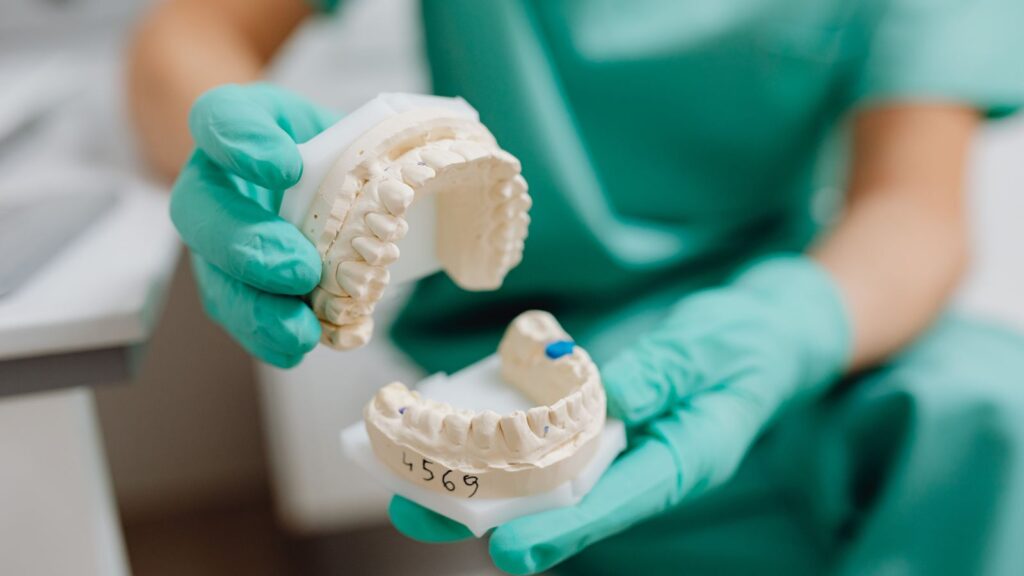
You need a straightforward answer: full mouth dental implants typically cost tens of thousands of dollars, often ranging from about $24,000 up to $90,000 depending on the approach and complexity. Expect a wide price range because implant type (All‑on‑4 vs individual implants), geographic location, bone grafts, and the prosthetic material drive most of the cost.
This article breaks down what influences price, typical ranges you might encounter, and the extra expenses that affect long‑term value so you can weigh immediate cost against durability and function. Use the following sections to quickly compare options, spot common hidden fees, and choose the path that fits both your budget and oral health goals.
Factors Influencing the Cost of Full Mouth Dental Implants
Several concrete elements drive the price of dental implants you’ll see: how many implants you need, the materials chosen for implants and prostheses, and the technical complexity of surgical and restorative work. These factors interact directly with treatment time, required lab work, and the likelihood of additional procedures.
Number of Implants Required
The number of implants determines much of the baseline cost because each implant includes the fixture, abutment, and often a temporary or permanent crown. Single-implant components typically range widely; when you multiply that by four, six, or more per arch, the implant hardware becomes a primary line item.
You’ll also pay more if your plan uses more implants to support an overdenture or fixed bridge because surgical time and imaging increase. Some full-arch protocols use as few as four implants per arch (All-on-4), while others recommend six to eight for better load distribution. Higher implant counts can reduce long-term prosthesis stress but raise upfront cost.
Type of Implant Material
Titanium and titanium alloys remain the most common implant fixtures due to proven strength and osseointegration. Zirconia implants cost more and may suit patients with metal sensitivities or specific aesthetic needs. The implant body material affects both the fixture price and the lab processes that follow.
Prosthetic materials also vary: acrylic-on-titanium frameworks costs less but wear faster; layered porcelain or monolithic zirconia prostheses cost more and offer better longevity and aesthetics. Abutment materials—titanium, gold alloy, or zirconia—add further cost differences. Choose materials based on durability needs, bite forces, and aesthetic priorities.
Complexity of the Procedure
Complex cases increase cost through added diagnostics, surgical time, and adjunctive procedures. If you require bone grafting, sinus lifts, or extractions, expect several thousand dollars more and multiple healing stages. Immediate-load protocols that deliver teeth in 24–72 hours demand advanced planning and lab coordination, which raises fees.
Patient-specific factors—severe jaw atrophy, prior radiation, or systemic health issues—can necessitate specialist surgeons and auxiliary imaging like CBCT scans, raising both professional and facility charges. Complexity also affects anesthesia choices; IV sedation or general anesthesia increases per-visit costs compared with local anesthesia.
Typical Price Ranges for Full Mouth Dental Implants
You can expect a wide price range driven by how many arches are treated, where you get care, and which extra procedures you need. Costs vary from a few tens of thousands to well over sixty thousand dollars for complete restorations.
Average Cost Per Arch
Per-arch prices commonly fall between $15,000 and $35,000 depending on the technique. Fixed-arch solutions like All‑on‑4 or All‑on‑6 typically run $15,000–$30,000 per arch in many clinics, including implant posts, a prosthetic arch, and basic lab work. Individual implant-retained teeth (placing separate implants for each missing tooth) can push per-arch costs higher — often $25,000–$50,000 — because you pay per implant, abutment, and crown.
If you need both upper and lower arches, multiply the per‑arch estimate. Ask your provider whether the quote includes temporary prostheses, since same‑day teeth options add to cost but reduce treatment time.
Cost Differences by Location
Geography changes pricing substantially. Urban and high-cost-of-living areas often charge 20–50% more than midwestern or rural regions. For example, metropolitan U.S. clinics may quote $20,000–$40,000 per arch, whereas clinics in smaller cities or certain states can offer similar services for $12,000–$25,000 per arch.
International care (dental tourism) can reduce direct costs by 30–70%, but factor in travel, lodging, follow-up care, and potential complications. Within the U.S., ask for state or city average pricing and compare multiple specialists — an oral surgeon, periodontist, or prosthodontist may price the same procedure differently.

Breakdown of Associated Fees
Your total bill usually includes multiple line items beyond implants and prostheses:
- Diagnostics: CBCT scans and X-rays ($200–$1,000).
- Extractions: Simple to surgical ($100–$1,500 per tooth).
- Bone grafting/sinus lift: $300–$4,000 depending on volume and material.
- Implant fixtures: $500–$3,000 each for the titanium or zirconia post.
- Abutments and crowns/bridge: $800–$3,500 per tooth or $5,000–$20,000 for a lab‑fabricated arch.
- Temporary prosthesis: $500–$5,000.
- Surgical fees/anesthesia: $500–$3,000.
Insurance may cover parts of extractions or related procedures, but implants and final prostheses are often only partially covered. Request an itemized estimate so you can identify negotiable parts, financing options, and which fees are one‑time versus likely for future maintenance.
Additional Expenses and Long-Term Considerations
Expect costs beyond implant fixtures: preparatory surgeries, ongoing maintenance, and financing or insurance choices can add thousands and affect timing. Each item below lists typical procedures, likely price ranges, and what you should ask your provider.
Required Preparatory Procedures
You may need extra work before implants go in. Common procedures include tooth extractions ($150–$500 per tooth for simple extraction), bone grafting ($300–$3,000+ depending on graft type and volume), and sinus lifts ($1,500–$4,500 when upper jaw height is insufficient).
If infection or periodontal disease exists, you’ll need treatment and possible antibiotics first. That can add several hundred dollars and delay surgery by weeks.
Imaging and diagnostics are required: panoramic X-rays or CBCT scans typically cost $150–$500. Your surgeon will factor these into the pre-op plan and give a written estimate listing each preparatory step and its timeline.
Maintenance and Follow-Up Care
Plan for scheduled follow-ups: initial post-op visits in the first weeks, then 3–6 month checkups for the first year. Routine professional cleanings for implant-supported prostheses usually run $100–$300 per visit.
You must maintain daily home care—special brushes, floss threaders, or water irrigators—which may cost $20–$150 initially.
Prosthesis repairs or replacements can occur over time. Acrylic dentures on implants often need relines or replacement every 5–10 years ($500–$5,000), while zirconia or metal-based fixed bridges have higher upfront costs but lower long-term maintenance. If an implant fails (rare but possible), removal and replacement add significant expense—often several thousand dollars.
Financing and Insurance Options
Check whether your dental insurance covers parts of the preparatory work or prosthetic teeth; many plans exclude implants but may pay for extractions or cleanings. Verify annual maximums and pre-authorization requirements to avoid surprise denials.
Consider payment plans from your dental office, medical credit cards, or healthcare financing companies. Typical options include 6–24 month interest-free plans or longer-term loans with variable APRs.
Ask for an itemized treatment plan showing upfront costs, staged payments tied to milestones, and potential additional-cost scenarios (e.g., unexpected grafting). Get written estimates for alternative approaches—such as overdentures on fewer implants—so you can compare total cost, timeline, and long-term maintenance.