
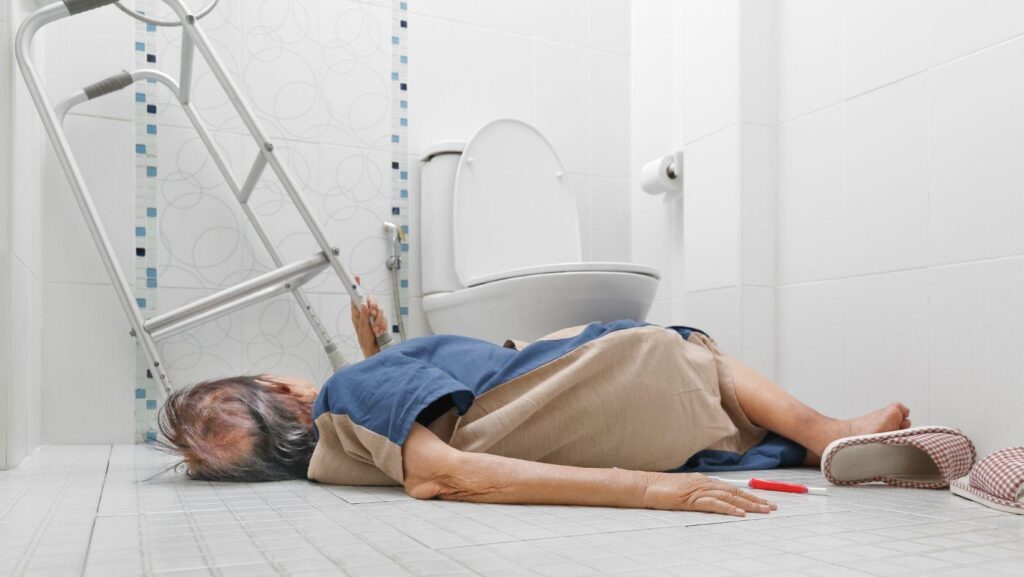
As you get older, your bones slowly lose mineral density and strength. This puts you at higher risk for fractures and can make moving around a lot harder.
If you understand how bone density changes, you can take steps now to lower your fracture risk and keep your independence as you age. It's not just about numbers on a scan—it's about staying active and doing what you love. That same bone loss affects your jaw too, which is why regular visits to Hite Family Dentistry matter for catching changes that put your teeth at risk.
Let's talk about how bone density shifts over time, what low bone mass actually means for your health, and some practical ways you can keep your bones strong. We'll cover screening, nutrition, exercise, and when to look at medical options.
How Bone Density Changes With Age
Bone mass peaks in your late 20s or early 30s. After that, it starts to decline—slowly at first, but the pace can pick up later.
The way your bones change depends on your age, sex, and hormones. These things also affect your fracture risk and when you should get screened.
Natural Decline Over Time
Once you hit 30, your bones stop gaining mass and begin a slow loss. Most people lose about 0.5–1% of bone mineral density each year, though this can vary a lot depending on how active you are, what you eat, or what meds you take.
Your bones keep remodeling throughout life, but eventually, more bone gets broken down than built up. That means your bones get a bit more porous and less dense.
For many, bone loss stays pretty modest until later in life. Then, bone strength drops faster and fractures become more likely. Regular bone density scans (DEXA) and paying attention to calcium, vitamin D, and weight-bearing exercise can help you keep tabs on things.
Gender Differences in Bone Health
Women and men start out similarly, but things change after midlife. Women usually hit a lower peak bone mass than men, and their bone loss speeds up a lot around menopause.
Men lose bone more slowly, and it usually starts later. But that doesn’t mean they’re off the hook.
Women lose bone faster in the years just after menopause, so their lifetime fracture risk is higher. Men still face significant risk as they age, especially if they have low testosterone, chronic illness, or have used steroids for a long time.
Screening guidelines reflect this: women should get routine DEXA scans starting at 65, while men get screened based on their risk factors.
Hormonal Influence on Bone Mass
Hormones play a big role in keeping bones healthy. Estrogen helps slow down bone breakdown, so when estrogen drops at menopause, bone loss speeds up.
Testosterone keeps bones strong in men. As testosterone drops with age, bone loss creeps in.
Other hormones matter too. Too much thyroid hormone speeds up bone turnover, and steroids (from meds or Cushing’s) can slow bone formation. If you have an endocrine issue, take steroids long-term, or notice fast bone loss on scans, talk to your doctor about hormone checks and possible treatments.
Health Implications of Low Bone Density
When your bone density drops, your risk for fractures, pain, and losing mobility goes up. It can even lead to osteoporosis, which changes your daily life.
Fracture and Fall Risks
Low bone density makes your bones more brittle. They can break more easily from falls or even minor bumps.
Hip, wrist, and spine fractures are the big ones to watch. Hip fractures, in particular, often mean hospital stays and can make it tough to stay independent.
You can lower your risk by improving balance—try tai chi or physical therapy. Clear out tripping hazards at home, keep your vision sharp, and wear good shoes.
Some medications can help strengthen bone. Ask your doctor about your fracture risk (FRAX score) and whether you need a bone density scan.
If you do fall, don’t shrug it off. Even mild pain could mean a spinal compression fracture, which can get worse if you ignore it. Use assistive devices if you need them and follow a fall-prevention plan that fits your home and lifestyle.
Osteoporosis and Related Conditions
Osteoporosis is a more serious form of bone loss. It usually starts with low bone density and ramps up your fracture risk.
Certain conditions can speed up bone loss—like long-term steroid use, untreated low testosterone or estrogen, hyperparathyroidism, or gut problems that block nutrient absorption.
Doctors use DEXA scans and blood tests for calcium, vitamin D, and bone turnover markers to diagnose osteoporosis. Treatments range from changes in diet and exercise to medications like bisphosphonates, denosumab, or anabolic agents for those at higher risk.
Work with your doctor to look for underlying causes and pick a treatment plan that fits your risk, health history, and how you feel about side effects.
Impact on Mobility and Independence
Fractures and ongoing bone pain can really limit what you do. Walking, climbing stairs, and even simple chores can get tough.
Vertebral fractures can shrink your height and affect your breathing, making it harder to keep up with daily life.
When you move less, you lose muscle, your balance gets worse, and you might feel more isolated. Rehab, strength training, and checking your home for safety hazards can help you get back on your feet and lower your chances of getting hurt again.
It’s worth planning ahead: make changes at home, keep up with strength and balance exercises, and work with therapists and your primary doctor to stay independent as long as possible.
Supporting Healthy Bones in Later Years
You can keep your bones strong by focusing on nutrition, regular weight-bearing activity, and the right medical checkups. The choices you make every day—what you eat, how you move, and when you get tested—really do matter.
Nutrition and Diet Strategies
Aim for about 1,000–1,200 mg of calcium and 600–800 IU of vitamin D daily, but check with your doctor for your specific needs. Dairy like milk, yogurt, and cheese are solid calcium choices, but fortified foods like almond milk or orange juice work too.
Get vitamin D from fatty fish, fortified foods, and a bit of sun when you can. Protein is important—try to get some with every meal. Lean meats, legumes, eggs, and dairy all work. If you avoid animal protein, combine plant options to get enough.
Watch out for too much sodium and processed foods high in phosphates, since they can make you lose calcium. Add potassium-rich foods like bananas, potatoes, and leafy greens. If you drink, keep it moderate (usually no more than one drink a day), and try to avoid smoking, since both can weaken bones.
Thinking about supplements? Talk to your doctor before starting calcium or vitamin D pills.
Exercise and Weight-Bearing Activities
Do weight-bearing exercises at least 3–4 times a week to help your bones grow stronger. Walking, stair climbing, jogging, or dancing all get the job done. Even brisk walking for 30 minutes most days can help keep your hips and spine strong.
Mix in resistance training 2–3 times a week. Use free weights, machines, resistance bands, or even your own body weight. Focus on legs, back, hips, and core to build muscle and lower your fall risk.
Don’t forget balance and flexibility—tai chi, standing on one leg, or yoga can all help you stay steady. If your joints hurt, modify your movements and check in with a physical therapist for safe tweaks. And if you notice new swelling, bad pain, or dizziness while exercising, stop and get medical advice.
Medical Screenings and Early Detection
Get a baseline bone density test (DXA) when your doctor recommends it. Women usually need this at age 65, though you might need it sooner if you have risk factors.
Men and younger women who've had fractures, use steroids long-term, have low body weight, or deal with certain medical issues should talk to their clinician about testing earlier. It's worth bringing up even if you're not sure you fit the criteria—sometimes things get missed.
Take a look at your DXA results with your provider. T-scores help guide what happens next, but don't hesitate to ask questions if the numbers don't make sense.
Ask about fracture risk calculators like FRAX. These tools combine your DXA score with other clinical factors to estimate your 10-year fracture risk. They're not perfect, but they give you and your provider a bigger picture.
Go over your medications and anything that might increase your risk of falling at least once a year. If you qualify for medication—like bisphosphonates, denosumab, or others—make sure you talk through the pros, cons, and how long you'll need to take them.
Set up regular follow-up DXA scans. Reassess your treatment plan if your bone density changes, you break a bone, or something else in your health shifts.