
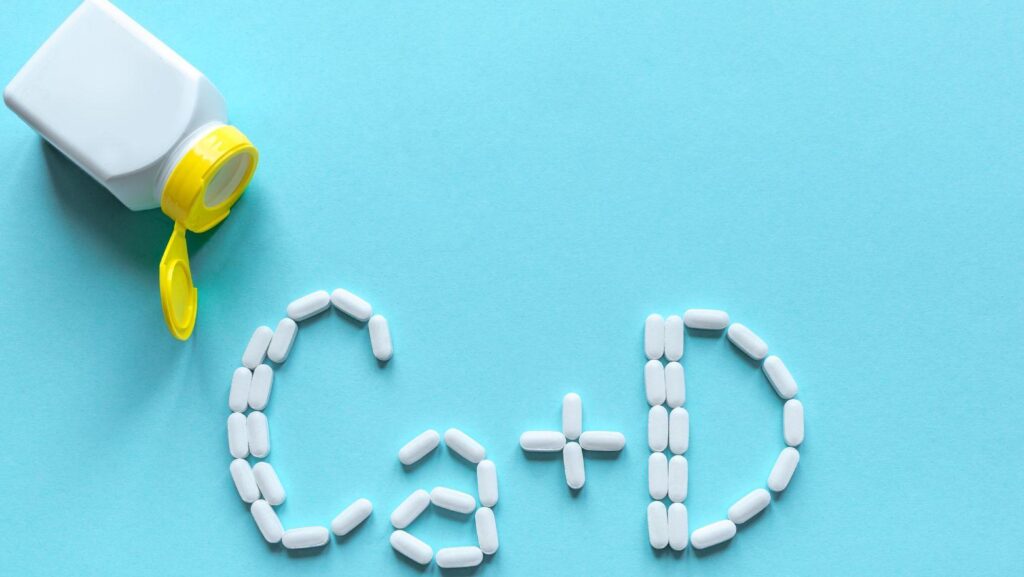
You depend on calcium and vitamin D for more than just strong bones. They help keep muscles, nerves, immunity, and hormone balance running smoothly.
Vitamin D lets your body absorb calcium, and together they support muscle function, immune responses, and metabolic processes that affect daily energy and long-term health. That same bone-and-calcium support also keeps your jaw and teeth strong, which is why a practice like Castro Valley Advantage Dental looks at nutrition as part of long-term oral health.
Let's look at how these nutrients shape immune function, metabolic and hormonal pathways, and practical dietary and supplement choices. That way, you can make better decisions about what to eat, when to supplement, and how these nutrients really interact—protecting more than just your bones.
Key Physiological Roles
Calcium and vitamin D support rapid cellular signaling and regulate muscle and nerve excitability. They also influence blood vessel function and heart rhythm.
These molecules act at the molecular, cellular, and tissue levels to help keep your body in balance.
Cellular Function and Communication
Calcium works as a universal second messenger inside your cells. Short bursts of calcium control things like hormone release, enzyme activation, gene expression, and programmed cell death.
You need tight regulation for all this: channels, pumps, and intracellular stores (especially the endoplasmic reticulum and mitochondria) shape the strength and timing of these calcium signals.
Vitamin D changes how your body makes calcium-transport and calcium-binding proteins like calbindin. It even tweaks DNA methylation and histone modifications, which can flip the switch on genes involved in immune responses and cell growth.
Together, calcium and vitamin D coordinate signaling networks that decide how cells react to stimuli and keep tissues healthy.
Muscle Contraction and Nerve Transmission
Muscle fibers rely on quick calcium release and reuptake for contraction and relaxation. In both skeletal and cardiac muscle, calcium either binds troponin or kicks off calmodulin-dependent pathways to start cross-bridge cycling.
If your calcium handling gets off track, you might feel weak, get cramps, or notice your heart isn’t pumping as well.
Nerve cells bring calcium into synaptic terminals to trigger neurotransmitter release. Vitamin D impacts the proteins that keep neuronal calcium in check and helps make neurotrophic factors.
Good calcium and vitamin D levels help you keep neuromuscular coordination, reflexes, and signal fidelity across synapses.
Cardiovascular Impact
Calcium shapes vascular smooth muscle tone and the heart’s electrical activity. The amount of calcium outside your cells affects action potential threshold and strength of contraction in heart muscle, so if calcium goes out of whack, your heart rhythm and pumping force can change.
Vascular smooth muscle responds to calcium-driven signals that control tightening and relaxing of blood vessels.
Vitamin D receptors show up in endothelial cells and heart muscle cells. Vitamin D turns on genes involved in inflammation, renin–angiotensin signaling, and endothelial function.
If you get enough vitamin D, you help keep vascular inflammation in check and support healthy blood pressure signaling. Both nutrients play a part in cardiac electrophysiology, vascular reactivity, and keeping your circulation steady.
Influence on the Immune System
Vitamin D and calcium both act on cells and signals that shape how your immune system spots threats, controls inflammation, and tolerates your own tissues. Their actions reach innate sensors, adaptive cells, and the inflammatory pathways that decide whether your immune response helps or hurts.
Regulation of Immune Response
Vitamin D binds to the vitamin D receptor (VDR) on macrophages, dendritic cells, T cells, and B cells. This changes gene expression that controls how your body recognizes pathogens and makes cytokines.
You get more antimicrobial peptides (like cathelicidin) in epithelial and immune cells when 25‑hydroxyvitamin D is locally converted to its active form. That improves your barrier defense against bacteria and some viruses.
Calcium acts as an intracellular second messenger in many immune cells. Quick calcium changes trigger T‑cell receptor signaling, B‑cell activation, and neutrophil responses.
If your calcium signaling is off, your body might not respond well to antigens or might struggle with cell migration. With enough vitamin D and well-regulated calcium, your immune responses can act quickly and appropriately.
Inflammatory Processes
Vitamin D dials down proinflammatory cytokines like IL‑6, TNF‑α, and IL‑17 in multiple cell types. It also encourages anti‑inflammatory mediators like IL‑10.
You’ll usually see less chronic inflammatory signaling with enough vitamin D, which affects more than just bones—think blood vessels and lungs, too.
Calcium influences inflammatory pathways through calcium‑dependent enzymes and inflammasome activation. Normal calcium spikes inside cells support regular cytokine release, but if calcium signaling gets wild, inflammasome activity can ramp up and push out more IL‑1β.
Keeping vitamin D and calcium in balance helps your body walk the line between necessary inflammation and the kind that just won’t quit.
Autoimmunity Implications
Vitamin D encourages tolerance by promoting dendritic cells and regulatory T cells (Tregs) that can calm down autoreactive lymphocytes. Low serum 25‑hydroxyvitamin D links to higher risk or more active diseases like multiple sclerosis, type 1 diabetes, and rheumatoid arthritis in observational studies.
Calcium plays a less direct, but still real, role in autoimmunity by controlling how easily lymphocytes get activated and how faithfully they signal. If calcium signaling goes awry, it could change which immune cells get activated.
Keeping vitamin D up and calcium signaling steady supports the mechanisms that help your immune system avoid attacking itself.
Metabolic and Hormonal Connections
Calcium and vitamin D interact with hormones and metabolic pathways that affect glucose handling, fat storage, and energy use. They influence signals from the parathyroid, pancreas, fat tissue, and muscle that shape insulin action and body composition.
Insulin Sensitivity
Vitamin D helps regulate insulin secretion by pancreatic beta cells through the vitamin D receptor and calcium signaling inside cells. With enough vitamin D, insulin gets released properly in response to glucose, but low levels can mess with beta-cell function and bump up fasting glucose.
Calcium participates in insulin-driven processes in muscle and fat cells. Proper calcium movement inside these cells is needed for glucose transporter (GLUT4) to move and for glucose to get in.
If calcium balance is off, you might notice your insulin sensitivity drops.
Correcting deficiency can help with insulin resistance, especially if you started out low on vitamin D or have prediabetes. Results vary depending on dose, your starting levels, and whether you’re losing weight—so it’s worth checking where you stand before making changes.
Weight Management
Vitamin D and calcium influence fat storage and energy use in a few ways. Vitamin D changes gene expression in fat cells, including genes that control fat production and inflammation.
Calcium intake can nudge fat metabolism by increasing how much fat you lose in your stool and by affecting hormones like calcitriol that regulate how fat cells work. Higher calcium intake sometimes leads to a bit more fat loss during calorie restriction in some studies.
If you’re trying to lose weight, fixing vitamin D deficiency and getting enough calcium can help, especially if you’re also watching calories and staying active. Expect small effects—they’re helpers, not magic bullets.
Dietary Sources and Supplementation
You get calcium and vitamin D from certain foods, fortified products, sunlight, and supplements. Picking good foods and knowing when and how to supplement helps you meet your needs safely.
Optimal Food Choices
Focus on calcium-rich foods you actually like and can eat every day. Dairy tops the list—milk (about 300 mg per cup), yogurt, and hard cheeses.
If you avoid dairy, go for fortified plant milks and juices, canned salmon or sardines with bones, tofu set with calcium, leafy greens like bok choy and kale (not spinach, though—it’s not as bioavailable), almonds, and white beans.
For vitamin D, there aren’t many natural sources. Fatty fish like salmon, mackerel, and sardines, plus fish liver oils, are best.
A lot of foods are fortified now: milk, plant milks, cereals, and some yogurts. Try to build meals that include both calcium and vitamin D sources—like fortified milk with cereal, or salmon with dark greens on the side—to boost absorption and cover your daily needs.
Supplement Safety and Absorption
Sometimes, diet and sunlight just don't cut it. That's when supplements step in.
When it comes to calcium, you’ll usually see calcium carbonate or calcium citrate on the label. Take calcium carbonate with food, but calcium citrate works fine on an empty stomach.
If you need a bigger dose—say, over 500 mg—split it into two. That way, your body absorbs it better, and you’re less likely to deal with stomach trouble.
Vitamin D supplements usually show up as cholecalciferol (D3) or ergocalciferol (D2). D3 tends to bump up and keep your serum 25(OH)D higher.
Before you go for high-dose vitamin D, check your serum 25(OH)D level. It’s worth knowing where you stand.
Keep an eye out for interactions. Calcium can mess with the absorption of some antibiotics and iron. Vitamin D, especially in big doses, ramps up calcium absorption and can sometimes push your serum calcium too high.
Stick to the labeled dose or what your doctor tells you. Always add up how much you’re getting from food and supplements, just to be safe.
Most adults without a medical reason shouldn’t go over 2,000–4,000 IU of vitamin D per day. For calcium, 2,500–3,000 mg per day from all sources is usually the upper limit.