
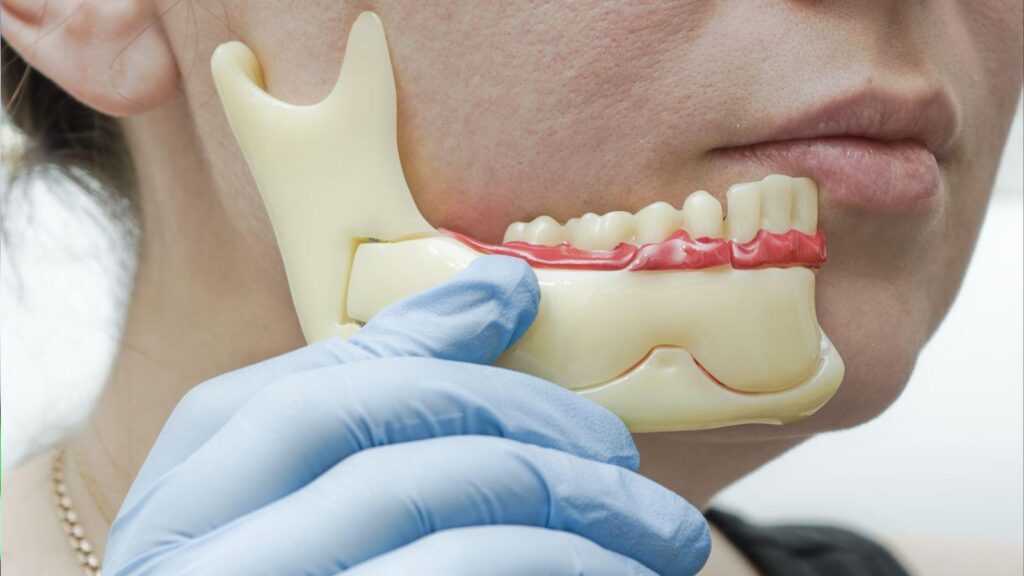
You might not notice jawbone loss at first because it often starts quietly. Pain, shifting teeth, or loose dentures can signal a problem, but many early signs slip past people until the bone has already weakened — all reasons to visit a trusted dentist in Odessa, FL early, since the earliest warning signs are subtle and need a dental exam to catch.
This article will help you spot physical and sensory changes you may miss, explain what those changes mean for your jawbone, and show why simple checks and X-rays matter. Pay attention now and you can protect your smile and prevent bigger problems later.
Understanding Jawbone Health
Your jawbone supports your teeth, keeps your face shape, and lets you chew and speak. If bone weakens or shrinks, you may notice loose teeth, changes in chewing, or subtle changes in your face over time.
Role of the Jawbone in Oral Structure
The jawbone holds tooth roots in place and ties into your bite mechanics. Each tooth root sits in a socket (alveolus) inside the jaw; when roots are lost or inflamed, the bone no longer gets normal pressure and blood flow. That lack of stimulation signals the body to resorb bone, which shrinks the ridge that once held teeth.
Jawbone shape also supports facial muscles and skin. Loss of bone height or width can shorten the lower face and make cheeks look sunken. For dental work, like implants or bridges, adequate bone volume is required for a stable, long-lasting result.
Primary Causes of Bone Loss in the Jaw
Periodontal (gum) disease is the most common cause. Bacterial infection destroys the soft tissue and the bone around teeth if not treated. Untreated cavities and persistent infection around a tooth root (abscess) can also eat away bone locally.
Other causes include long-term tooth loss without replacement, which removes the normal bite force that keeps bone strong. Poorly fitting dentures, trauma to the jaw, and certain medical treatments (for example, radiation to the head and neck) can accelerate bone loss. Some medications can change bone metabolism and contribute indirectly.
Risk Factors Associated With Deterioration
Smoking and uncontrolled diabetes raise your risk because they reduce blood flow and weaken infection response. Age increases risk, as bone density naturally declines and healing slows. Poor oral hygiene and irregular dental care let plaque build up and turn into gum disease.
Bruxism (chronic grinding) and poorly fitting dental work place abnormal forces on bone and teeth. Nutritional deficiencies, low calcium or vitamin D, and certain systemic conditions like osteoporosis also make jawbone loss more likely.
Recognizing Physical and Sensory Changes
You may notice small shifts in your mouth that point to jawbone loss. Pay attention to tooth movement, gum retreat, and odd sensations that feel different from normal toothache or sensitivity.
Subtle Shifts in Tooth Position
If your teeth start to feel loose or they move slightly, that can signal bone loss. You might see gaps appear between teeth that were once tight. A tooth that tilts or feels higher or lower than its neighbors also matters.
These shifts happen because the bone supporting the tooth shrinks. You may first notice change when biting or when your denture no longer fits well. Track changes with photos or notes and tell your dentist if movement occurs within weeks or months.
Experiencing Gum Line Recession
Gums pulling away from teeth often accompany bone loss. You may see longer tooth crowns as the gum edge moves downward. Recession can expose tooth roots, causing sensitivity to cold or sweets.
Check the gum margins for uneven lines or notches near where the tooth meets gum. Recession tied to bone loss may come with deep pockets that trap food. Your dentist can measure pocket depth and look for underlying bone changes.
Unusual Oral Discomfort or Sensations
Jawbone loss can cause pain that feels different from a cavity or sore gum. You may feel a dull, constant ache in one area of the jaw or sharp twinges when chewing. Some people sense a pressure or heaviness around certain teeth.
Also watch for numbness or tingling in the lip or chin, which can mean the bone near a nerve is changing. If discomfort lasts beyond a few days, worsens with biting, or appears with swelling, contact your dentist for exam and imaging.
Overlooked Warning Signs and Diagnostic Insights
You may notice subtle changes in how your mouth works, how your face looks, or what shows up on X-rays. Paying attention to these specifics helps catch jawbone loss sooner.
Difficulty Chewing and Speaking
You might feel food slipping or cutting your gums when chewing hard foods like apples or steak. Teeth that tilt or shift can change your bite, making some foods harder to chew on one side. This often starts small—more effort, occasional discomfort—and gets worse if bone support continues to shrink.
Speech can change too. Missing teeth or shifting teeth can make certain consonants sound slurred or whistled. You may not connect this to bone loss at first. Note whether dentures feel loose, rock, or cause sore spots; poorly fitting dentures accelerate bone loss and hide the underlying cause.
Keep a short diary of when you have trouble chewing or speaking. Share it with your dentist so they can compare changes over time and test your bite and denture fit.
Facial Appearance Alterations
Bone loss changes the jaw’s shape and the soft tissues it supports. You may notice more pronounced wrinkles around the mouth, a shorter lower face, or cheeks that look sunken on one or both sides. These signs can be gradual and are easy to blame on aging.
Look for asymmetry—one side of your jaw or cheekline dropping slightly—or a tighter feel in the lips. If dentures feel loose even after relining, the likely cause is reduced bone volume. Photographs taken months apart make small changes obvious and help your clinician measure facial height and symmetry.
Report any new facial changes to your dentist or surgeon; early intervention like bone grafting or implant planning can restore support before changes become severe.
Dental Imaging and Professional Evaluations
Standard dental X-rays show bone height loss between and around teeth. Panoramic X-rays and cone-beam CT scans give better 3D views of volume, ridge width, and bone defects. Your dentist may compare current images to past films to calculate the rate of bone loss.
Clinical tests matter too. Probing depths, tooth mobility grading, and gum recession measurements reveal how much support remains. For denture wearers, pressure mapping or fit tests show how force distributes across the ridge. Periodontists or oral surgeons can run these exams and recommend treatments like guided bone regeneration or implants.
Ask for copies of your images and a clear explanation of what they show. That makes it easier to track changes and decide on the next steps.