
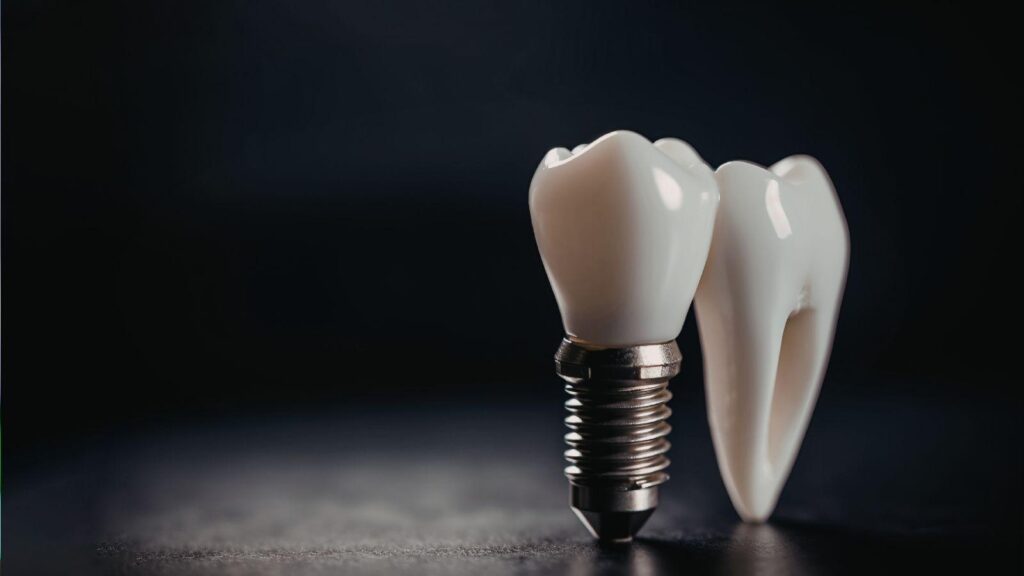
If you have missing or failing teeth and want a stable, full set of replacement teeth, All-on-4 uses four titanium implants to hold a fixed arch so you can chew, speak, and smile with confidence. This method supports a full arch with only four implants by placing them at angles and positions that use available jaw bone and spread biting forces evenly — making it one of the most sought-after options for dental implants in Raleigh, NC.
You will learn what parts make up the system, how the implants and bridge work together, how it differs from traditional multi-implant or denture options, and what long-term outcomes and choices to expect. Keep reading to understand whether this streamlined approach fits your mouth, timeline, and goals.
Key Components of All-on-4
You will learn what materials the implants use, how the posts support the arch, and which prosthesis types you can choose. These parts work together to give you a fixed, full-arch result with fewer implants and often less bone grafting.
Implant Materials and Design
All-on-4 implants are usually made from medical-grade titanium or a titanium alloy. Titanium bonds well with bone through osseointegration, which helps the implant stay stable long term. Some clinics offer zirconia alternatives if you prefer metal-free options, but titanium remains the most common and well-studied choice.
Design matters: implants for All-on-4 are often slightly longer and may have a tapered or roughened surface to boost bone contact. The two posterior implants are typically angled (about 30–45 degrees) to avoid anatomical structures and use more available bone. Abutments connect the posts to the prosthesis and come in fixed or angled versions to match the implant orientation.
You should ask your clinician about implant diameter and surface treatment. These affect load distribution, healing time, and the chance of long-term success.
Role of the Titanium Posts
The titanium posts act as anchors that transfer biting forces from the prosthesis into your jaw. Proper placement and angulation let four implants support a full arch by spreading force across the bone. This reduces pressure on any single implant and lowers the risk of overload.
During surgery, the posts are placed in dense bone areas—usually the front jaw for the upper arch and the front and back for the lower arch. Angled posterior implants often avoid the sinus in the upper jaw and the nerve canal in the lower jaw. Osseointegration—which takes a few months—creates a rigid bond between bone and implant, so the arch functions like natural teeth.
If one post fails early, your clinician can often adapt the prosthesis temporarily while planning a replacement. Good oral hygiene and regular check-ups help protect the posts once they have integrated.
Dental Prosthesis Options
You can get either a provisional (temporary) fixed bridge immediately or a final fixed hybrid bridge once healing finishes. Immediate provisional bridges let you leave the clinic with fixed teeth the same day. These temporaries are lighter and designed for short-term use while the implants integrate.
Final prostheses come in different materials: acrylic teeth on a titanium framework, porcelain fused to a metal substructure, or full zirconia. Acrylic on titanium is lighter and easier to repair. Porcelain or zirconia offer better wear resistance and aesthetics but are heavier and may transmit more force to implants.
Removable overdentures on four implants are less common but possible if you prefer a removable option. Discuss durability, repairability, and cost with your clinician to choose the best prosthesis for your lifestyle and budget.
How the All-on-4 Technique Works
You get a full arch held by just four implants placed to use your best jaw bone. The method focuses on implant position, the angle of two rear implants, and often fitting a fixed temporary prosthesis the same day.
Implant Placement Strategy
Your dentist places two implants near the front of the jaw where bone is denser and two toward the back to spread support across the arch. The front implants are usually vertical and located near the canine or lateral incisor areas. The rear implants sit more posterior to carry chewing forces and reduce the need for bone grafts.
Clinicians choose implant length and diameter based on your bone height and density. They use digital scans and X-rays to plan exact positions so the prosthesis will align with your bite. This planning helps avoid nerves and sinuses while giving the best support for a 12–14 tooth bridge.
Angulation and Stability
Your rear implants are often tilted backward at about 30–45 degrees. Tilting increases the front-to-back spread (the prosthetic base) without hitting the sinus or nerve. That wider spread improves stability and decreases bending forces on each implant.
Tilted implants still integrate with bone like straight ones. Your surgeon uses a rigid metal framework on the prosthesis to connect all four implants. That rigid connection shares chewing loads across implants, lowering the chance of overload and improving long-term stability.
Immediate Function and Loading
Many All-on-4 cases allow a fixed provisional prosthesis the same day you get implants. If your implants reach good primary stability (measured by insertion torque or implant stability values), the team attaches a temporary bridge to let you eat soft foods within days. This is called immediate loading.
You will later receive a final prosthesis after several months once the implants have fully integrated. During healing, follow-up visits check torque, fit, and gum health. If an implant shows poor stability, your clinician adjusts the plan to protect the other implants and the final outcome.
Comparing All-on-4 With Traditional Implants
You can expect differences in how many implants are placed, whether bone grafting is needed, and how long treatment takes. Each option affects cost, recovery, and the steps your dentist will plan.
Number of Implants Required
All-on-4 uses four implants per arch to support a full fixed prosthesis. Two implants are placed near the front and two angled at the back to use denser bone and avoid sinuses or nerve areas. This reduces the number of surgical sites and hardware compared with replacing each tooth.
Traditional implant plans often place one implant per missing tooth. For a full arch, that can mean 6–10 implants per arch. More implants give more individual support and may allow single-tooth replacements, but they increase surgical time, cost, and complexity.
Choose All-on-4 when you need a full-arch solution with fewer implants. Choose traditional implants if you want individual tooth replacement, maximum distribution of force, or if your mouth has plenty of bone and you prefer a staged approach.
Bone Grafting Considerations
All-on-4 often avoids major bone grafts by using tilted posterior implants that engage existing bone. You may still need minor grafting or ridge smoothing, but many patients skip extensive bone augmentation. That can shorten treatment and lower cost.
Traditional implant routes commonly require grafting when bone has resorbed. Socket preservation, sinus lifts, or block grafts are frequent to build enough bone for each implant. Grafting adds surgical visits, healing time, and cost.
If you have significant bone loss, ask your dentist for a CBCT scan to see whether All-on-4 can use available bone or whether grafting for traditional implants is necessary. Your medical history, smoking, and bone quality also change grafting needs.
Treatment Timeline Differences
All-on-4 often delivers a fixed provisional prosthesis the same day or within a few days after implant placement. This immediate-loading approach lets you leave surgery with working teeth and shortens the visible timeline to weeks or a few months for final prosthetics.
Traditional implants usually follow a staged timeline. After implant placement, you may wait 3–6 months for osseointegration before attaching final crowns or bridges. If grafting is required, add 4–9 months for healing before implants go in.
Expect fewer appointments with All-on-4 but a more complex single surgical visit. Expect longer overall treatment time with traditional implants, but more flexibility to place single crowns and adjust spacing over time.
Long-Term Outcomes and Considerations
You can expect strong long-term performance if you follow the right care steps and attend regular checkups. Implant survival is high, but prosthetic wear, bone changes, and hygiene are key factors that affect outcomes.
Expected Lifespan and Durability
Most studies show implant survival rates well above 90% at 5–10 years when placed and loaded correctly. The titanium implants themselves can last decades, while the fixed prosthetic (the full-arch bridge) usually needs replacement or major repair sooner, often after 8–15 years depending on materials and wear.
Factors that shorten lifespan include uncontrolled diabetes, heavy smoking, poor oral hygiene, and bruxism (teeth grinding). Bone loss around implants can develop slowly; small changes are common, but progressive bone loss raises the risk of implant failure. Keeping your medical conditions stable and avoiding tobacco improves durability.
Be aware that mechanical issues—worn teeth, broken acrylic, screw loosening—are common long-term problems. These are usually fixable without removing implants, but they do require timely professional care.
Care and Maintenance Needs
Daily cleaning must include brushing the prosthetic teeth and cleaning under the bridge. Use a soft-bristled brush, interdental brushes sized to the gaps, and either floss designed for bridge work or water flossing to clear food and plaque.
Schedule professional exams every 3–6 months initially, then at least every 6–12 months once stable. Your dentist will check implant stability, probe for pocket depths, take periodic X-rays to monitor bone levels, and tighten or repair prosthetic components as needed.
Follow these practical tips:
- Quit smoking or reduce use to lower infection risk.
- Wear a nightguard if you grind teeth.
- Report pain, mobility, or odd sounds immediately.
- Replace worn prosthetic teeth to prevent uneven loads.
Regular maintenance and early fixes keep your All‑on‑4 functioning longer and reduce the chance of major complications.