
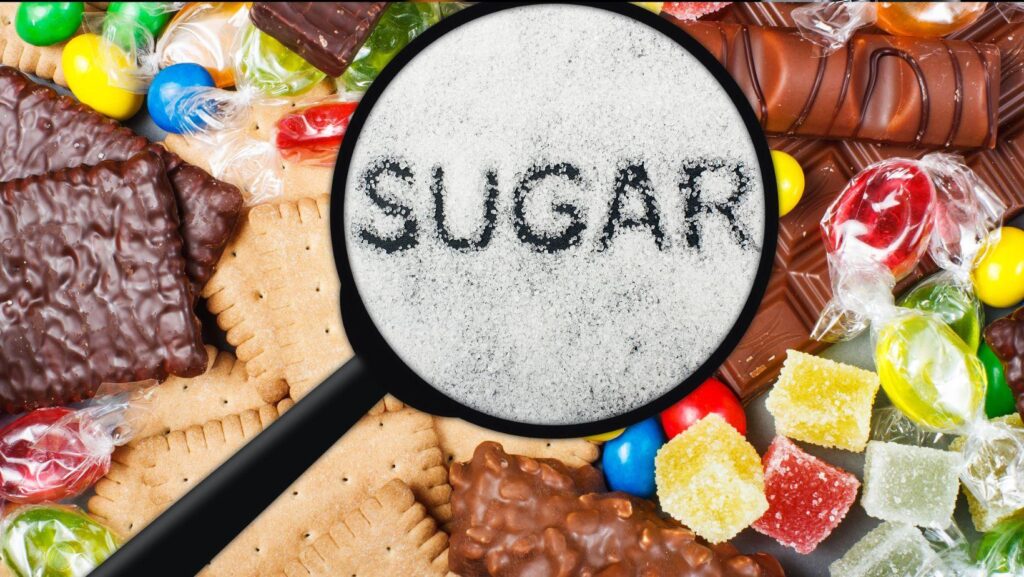
You might assume sugar only hides in candy and desserts. But honestly, it pops up everywhere—dressings, sauces, yogurts, and a wild number of packaged foods you eat every day.
Excess added sugar quietly stirs up inflammation, messes with blood sugar and blood pressure, and bumps up your long-term risk for heart disease and other issues. It's also rough on your teeth and gums, which is why a practice like Florida Dental Implant Center sees the downstream damage hidden sugars can cause. Cutting hidden sugars can actually deliver real health benefits.
Let's dig into where added sugars sneak in, how to spot them on ingredient lists, and what health effects to watch for. I'll share some practical ways to lower your intake without ditching flavor or convenience—because, let's be real, nobody wants to live on bland food.
Common Sources of Added Sugar
Added sugars show up in obvious sweets and in everyday savory stuff, too. Knowing the categories and ingredient names makes it way easier to spot and avoid hidden sugars.
Processed Foods and Beverages
Sodas, energy drinks, and those store-bought fruit drinks top the list for added sugar in most diets. A single 12‑ounce soda? That’s often 30–40 grams of added sugar. Sports drinks and sweetened iced teas aren’t much better.
Check labels for "high-fructose corn syrup," "cane sugar," "evaporated cane juice," or just plain "syrup." If those show up near the top, you know sugar’s a main player.
Ready-made meals, canned soups, and packaged sauces usually sneak in sweeteners to boost flavor and shelf life. Food companies add sugar to balance acidity and cover up weird processing flavors. Always scan the Nutrition Facts for "Added Sugars" and compare brands—you’ll be surprised.
Condiments and Sauces
Ketchup, barbecue sauce, and salad dressings love to hide sugar for that extra taste kick. Just two tablespoons of ketchup can pack in 3–4 grams of added sugar. Some barbecue sauces? They can hit 10 grams or more per serving.
Look for "sugar," "molasses," "corn syrup," and "fruit concentrates" on the label. Oddly enough, low‑fat dressings often have even more sugar to make up for the missing fat.
Sweet chili sauce, teriyaki, and flavored mayo blends are usually loaded with sweeteners. If you’re cooking at home, try using plain vinegar, herbs, or just a touch of your own sweetener—you get to control how much goes in.
Breakfast Foods
Cereals, granolas, and flavored yogurts can be sugar bombs. A so-called healthy cereal for adults might have 10–20 grams per serving. Flavored yogurt? Sometimes 12–20 grams just from added sugar.
Instant oatmeal packets and breakfast bars often list "dextrose," "maltodextrin," or "brown rice syrup" to help with texture and shelf life. Go for plain options and sweeten them yourself with fruit or maybe a tiny bit of honey.
Bakery goods—muffins, toaster pastries, even some pancakes—tend to be loaded with added sugars and syrups. If you’re eating breakfast out, ask for unsweetened oatmeal, plain yogurt, or whole-grain toast to dodge the hidden sugar in toppings and sauces.
Packaged Snacks
Granola bars, flavored nuts, and snack mixes often get their appeal from syrups, chocolate, and sweetened fruit pieces. One granola or protein bar can have anywhere from 8 to 25 grams of added sugar, depending on the brand and flavor.
Trail mix labeled "fruit & nut" might use fruit juice concentrate or sugar-sweetened dried fruit. Flavored nut clusters? They often use honey or corn syrup to hold everything together and make it shiny.
Cookies, sweet-coated crackers, and even some savory chips with “sweet” flavors sneak in added sugars. If you see two or more sweeteners near the start of the ingredient list, you’re probably looking at a high sugar snack.
Understanding Ingredient Labels
You’ve got to read labels if you want to catch added sugars, serving sizes, and all the sneaky names sugar goes by. Comparing ingredient order and questioning front-of-package claims can help you cut through the marketing noise.
Hidden Names for Sugar
Manufacturers list ingredients by weight, so if sugars are near the top, there’s a lot of them. Watch for names like high-fructose corn syrup, sucrose, dextrose, maltose, and glucose-fructose syrup—they come up a lot.
Don’t forget about the sneakier terms: evaporated cane juice, agave nectar, fruit juice concentrate, molasses, and anything called syrup (rice, barley, maple). If an ingredient ends in “-ose” (like fructose or maltose) or says “concentrate” or “syrup,” that’s a red flag.
If you spot several types of sugar listed separately, they all add up. That can make a product way sweeter than you’d guess from just one sugar on the list.
Interpreting Nutrition Facts
Start with the serving size. Calories and sugar grams are always per serving, not per package, and that can be confusing.
Compare the grams of "Added Sugars" to total sugars to see how much is extra. The American Heart Association says women should aim for no more than 25 grams a day, men 36 grams. So a snack with 20–30 grams could blow your limit in one go.
Look at the carbs, fiber, and protein, too. More fiber and protein can help blunt blood sugar spikes compared to just straight sugar.
If "Added Sugars" isn’t listed, add up the sugar-type ingredients on the label to estimate how much was added.
Misleading Marketing Terms
Front-of-package claims are often just marketing. "Natural," "made with real fruit," or "no high-fructose corn syrup" don’t mean the product is low in sugar.
"Reduced sugar" or "light" just means less than the original, not actually low. Always check the Nutrition Facts for the real numbers.
Even "organic" products can have loads of organic cane sugar or syrups. "Whole grain" doesn’t mean it’s sugar-free, either. Ignore the buzzwords and focus on the ingredient list and added sugar grams.
Health Effects of Excess Sugar Intake
Sugar overload can mess with your weight, blood sugar, inflammation, heart, liver, and even your mood. Most of these changes sneak up over time and can pile up across different organs.
Impact on Metabolic Health
When you eat a lot of added sugar—especially from drinks—you end up taking in calories fast, which spikes your blood glucose and insulin. If that keeps happening, your body starts ignoring insulin, and it gets harder for your muscles and liver to use glucose. Over time, that can push up your fasting blood sugar and raise your risk for type 2 diabetes.
Sugar tends to drive weight gain, especially belly fat, which only makes metabolic markers worse. Fructose from added sugars goes straight to your liver, turning into fat and raising triglycerides. That can lead to fatty liver disease. These changes often happen before you notice any symptoms, so it’s smart to keep an eye on your waist size, fasting glucose, HbA1c, and lipids.
Connection to Chronic Diseases
Too much sugar ramps up inflammation, messes with your cholesterol, and can raise your blood pressure. Diets high in added sugars are linked to higher LDL and triglycerides and lower HDL, all of which bump up your risk for heart disease.
Over time, a high-sugar diet can also cause nonalcoholic fatty liver disease (NAFLD) by making your liver store too much fat. Obesity from sugary foods puts extra strain on your joints and organs, raising the risk for things like osteoarthritis and certain cancers.
Mental and Cognitive Impacts
Eating or drinking lots of sugar can send your mood and energy on a roller coaster as your blood glucose spikes and crashes. If you rely on sugary foods for quick energy, you might notice more anxiety or irritability.
Long-term, high-sugar diets have been linked to a higher risk of depression and worse memory and learning. Scientists think inflammation and insulin resistance in the brain play a big role. Whole foods, fiber, and protein with snacks can help keep your blood sugar more stable and your brain sharper.
Strategies to Reduce Consumption
It’s all about small, realistic swaps, reading labels, and changing habits in ways that actually stick. Focus on shopping choices, ingredient swaps, and routines that curb cravings without making life miserable.
Smart Grocery Shopping
Check the Nutrition Facts and ingredient list for added sugar names like cane sugar, dextrose, maltose, corn syrup, or fruit juice concentrate. Compare similar products by serving size and added sugar grams. Pick the one with the least sugar per serving.
Go for whole foods: fresh veggies, whole fruits, plain yogurt, beans, eggs, and lean proteins. Buy plain oats, brown rice, and unsweetened nut butters. When you get canned goods, look for "no sugar added" or "in water" labels.
Jot down a shopping list before you head out so you don’t get tempted by impulse buys. Limit flavored yogurts, cereals, condiments, and ready-made sauces. Pick plain versions or brands with 5 grams or less of added sugar per serving. If you want packaged snacks, look for ones with at least 3 grams of fiber to help soften the sugar hit.
Cooking and Baking Alternatives
Make your own sauces and dressings using canned tomatoes, olive oil, vinegar, and spices. For ketchup or BBQ sauce, cut the sugar in half and use smoked paprika, mustard, or apple cider vinegar for flavor.
When you bake, try cutting the sugar by a quarter or even half, and add spices like cinnamon or vanilla, or a bit of citrus zest for extra taste. Swap in applesauce or mashed banana for half the sugar and some of the fat in muffins or quick breads—just keep an eye on baking time since these add moisture.
Pick whole-grain flours and toss in nuts, seeds, or unsweetened shredded coconut for more texture and satisfaction. For drinks, swap out sodas and sweet teas for sparkling water with a squeeze of lemon or a few frozen berries. It’s not perfect, but it works.
Developing Lasting Habits
Try setting a gradual reduction plan. Cut out one sugary item per week—maybe start by swapping soda for seltzer, then move on to flavored yogurt.
Track what you eat for two weeks. Use a food log or an app, and spot two repeat offenders you reach for often, then swap them for lower-sugar choices.
Change up your environment a bit. Hide sweet treats, but keep fruit out where you can see it. Prepping single-portion snacks like yogurt with nuts or carrot sticks with hummus can help curb those impulse grabs.
Add protein and fiber to every meal—think eggs, legumes, whole grains. This helps keep your blood sugar steady and, honestly, makes sugar cravings less intense.
When a craving hits, pause for 10–15 minutes. Drink some water or chew gum while you wait it out.
If you still want something sweet, have a small piece of dark chocolate (at least 70% cocoa) or maybe a baked apple with cinnamon.
And hey, don’t forget to reward yourself for sticking with it—just pick something other than food. It’s about reinforcing those new habits, not making it a chore.