
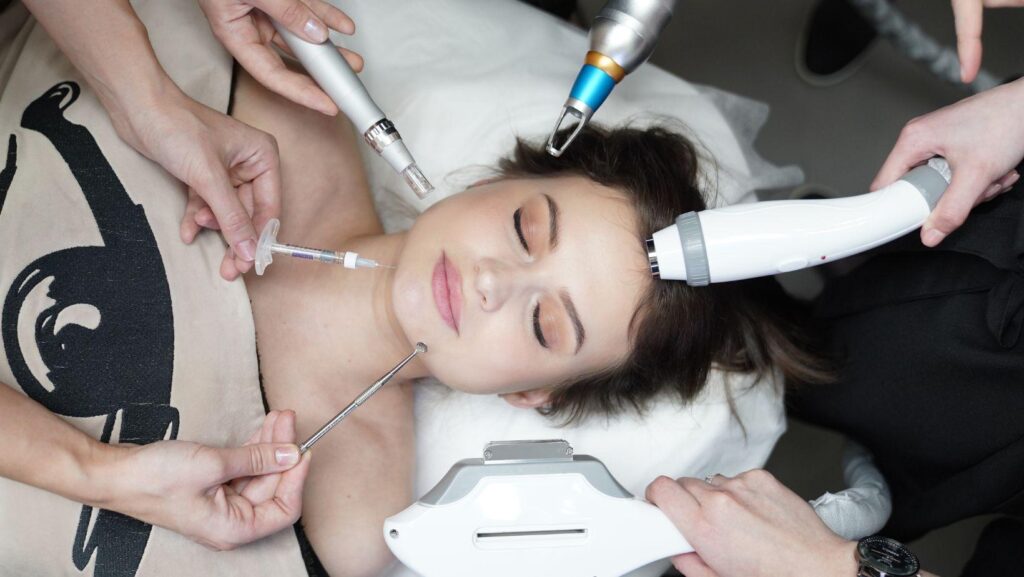
Small cosmetic changes can really shift how you feel, act, and connect with others by boosting confidence and cutting down on daily stress.
Simple adjustments—like refining your skincare routine, updating your hairstyle, or picking clothes that actually fit your life—often bring real wellbeing gains without dramatic procedures. Brightening your smile belongs on that list too, and the team at Galleria Dentistry offers simple cosmetic options like whitening that deliver an easy confidence boost.
You’ll see how modest choices affect your mindset and social ease, and when they matter most.
This article gives practical, accessible options you can try and shows how to pair them with healthy habits so benefits actually stick.
You’ll get guidance on psychological effects, everyday tweaks you can adopt, and ways to fit beauty practices into a balanced wellbeing plan.
The Psychology of Subtle Improvements
Small, targeted changes can shift how you see yourself and how others respond to you.
These shifts usually happen through expectation alignment, a stronger sense of control, and steady reinforcement.
How Minor Changes Impact Self-Esteem
When you pick a modest change—like smoothing a forehead line or restoring volume to cheeks—you often bring your appearance closer to how you picture yourself.
That alignment can really reduce the weird disconnect you feel when your reflection doesn’t match your self-image.
You also get some control back.
Choosing and pacing small interventions boosts your sense of agency, which links to higher resilience and self-efficacy.
Incremental results let you test how you feel about changes and build confidence with each bit of positive feedback.
If you want a practical tip: focus on one area that consistently bothers you.
Tackling a single, specific concern tends to bring clearer psychological benefits than trying to overhaul everything at once.
The Science Behind Positive Perception
Neuroscience and social psychology both show that even subtle appearance changes shift social cues and internal reward pathways.
Faces that look more rested or symmetric get more favorable, automatic social responses from others.
Those positive signals feed back into your mood through dopamine-driven reward systems.
Studies on minimally invasive treatments report measurable increases in self-reported satisfaction and mood when outcomes look natural.
Managing expectations matters a lot—when results match realistic goals, you’re more likely to see lasting improvements in confidence and how attractive you feel.
Checklist for evidence-based decisions:
Emotional Wellbeing and Personal Appearance
Your emotional state often improves with small, practical gains in appearance, since these gains cut down on daily “appearance friction”—those nagging thoughts or discomfort that drain energy.
When you resolve a minor concern, you free up mental space for work, relationships, or hobbies.
Small improvements can even spark healthier habits.
People who feel better about their appearance sometimes start sleeping more, exercising, or taking better care of their skin, which keeps the wellbeing momentum going.
Change should support—not replace—therapy if you’re dealing with deeper emotional issues.
If you’re still not satisfied after subtle treatments, it’s worth checking your expectations and maybe talking to a mental health professional along with your aesthetic clinician.
Accessible Cosmetic Adjustments for Daily Life
Small, practical choices can save time, boost confidence, and work with any budget.
Focus on routines and items that give visible results with minimal effort or downtime.
Simplifying Skincare Routines
Start with three basics: gentle cleanser, targeted treatment, and sunscreen.
Pick a cleanser that fits your skin type—gel for oily, cream for dry.
Use a vitamin C serum in the morning for tone and antioxidant protection.
At night, go for a retinoid or peptide product to help with texture and collagen.
Keep your products minimal to avoid irritation and save money.
Patch-test one new product at a time and add actives slowly—twice a week for a couple of weeks, then ramp up if your skin’s happy.
Keep sunscreen somewhere obvious so you remember to use it daily.
If you use makeup, add a non-comedogenic moisturizer to keep skin from drying out under foundation.
Natural Makeup Techniques
Go for quick tweaks that highlight your features without heavy coverage.
A tinted moisturizer or lightweight BB cream can even out your skin tone—just use your fingers or a damp sponge for a natural look.
Conceal only where you need it: under eyes and on blemishes.
Shape brows with a pencil or tinted gel using short, hair-like strokes.
Curl your lashes and swipe on one coat of lengthening mascara to make your eyes pop.
For color, pick a cream blush and a neutral lip tint—both blend easily and double as touch-up products during the day.
Keep tools simple: one brush, a sponge, and a brow tool.
Updating Personal Style with Accessories
Pick accessories that lift your outfits with hardly any effort or cost.
A single statement piece—like a structured belt, silk scarf, or classic watch—can pull an outfit together and make you look more put-together.
Stick to neutral tones or one accent color so pieces work with lots of outfits.
Switch up your look fast with footwear: clean white sneakers for a casual vibe, low block heels for something sharper.
Keep accessories where you get dressed so choosing them becomes second nature.
Rotate a small set of jewelry—studs, a pendant, and a ring—to keep decisions simple while still looking polished.
Integrating Wellbeing Practices with Beauty Habits
Small tweaks to how you use products and structure self-care can improve skin health, cut stress, and build confidence.
Focus on specific techniques and short rituals you can actually stick with every day.
Mindful Application of Cosmetics
When you put on products, slow down and pay attention.
Use clean hands or tools, and tap serums and creams instead of rubbing to protect your skin barrier and avoid irritation.
For makeup, try a gentle patting motion with a sponge for foundation and light upward strokes around the jawline for a little lift.
Here’s a quick checklist for morning and night:
Take a deep breath before each step to lower stress and turn the routine into a calming ritual.
If you wear eye makeup, remove it first with an oil-based cleanser to avoid harsh rubbing.
Swap out sponges and clean brushes weekly to keep bacteria at bay.
Linking Self-Care Rituals to Confidence
Tie specific, repeatable beauty actions to small wins that boost self-esteem. For example, maybe schedule a quick two-minute eyebrow tidy after your shower. That visible polish can honestly make you feel more prepared for the day.
Keep a simple “ready” kit in your bag—just brow gel, tinted moisturizer, and lip balm. This way, you can refresh fast whenever you need it.
Use micro-goals to track progress. Try counting three nights of consistent sleep, two days of hydrated skin, or a week of daily SPF.
Pair these habits with short affirmations. Just say one sentence about your capability or appearance while you do the ritual. It really does help link self-care to confidence, even if it feels a little silly at first.