
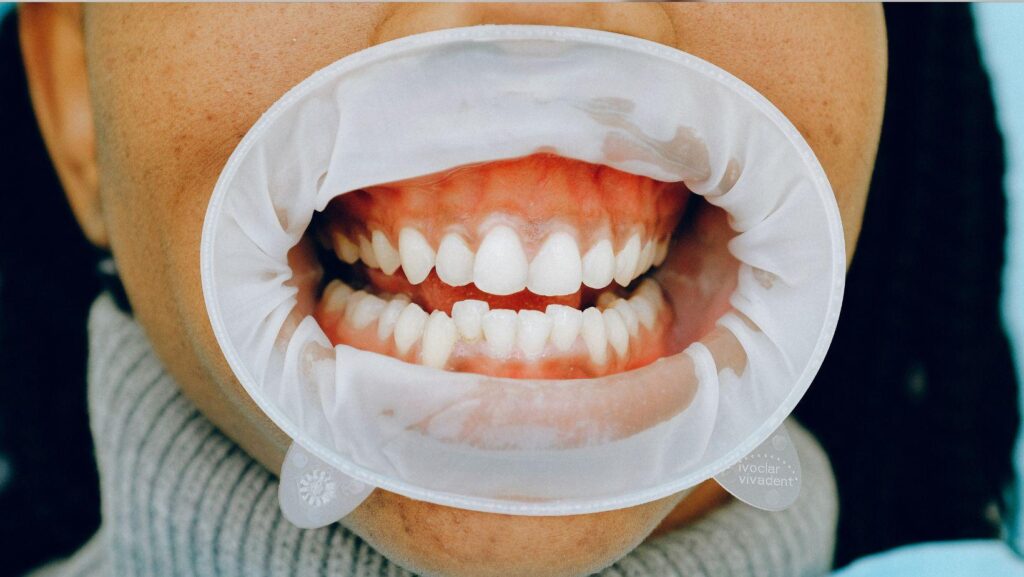
Your gums don't just hold your teeth in place—they're like a window into what's going on inside your body. If you spot changes in color, texture, or notice bleeding, it could mean gum disease, but sometimes it hints at bigger things like diabetes, heart risks, or even vitamin
issues.
It's easy to ignore those subtle signs, but catching them early really can protect your mouth—and your overall health. If something looks off, a checkup with Legacy Dental Studio can help pin down whether it's a gum issue or a signal worth investigating further. Let's dig into what to watch for, what might cause those changes, and what you can actually do about it.
Common Gum Changes and Their Root Causes
You might notice bleeding, color changes, weird textures, or gums pulling away from your teeth. Each of these has its own causes, from plaque and brushing habits to medical conditions and medications.
Bleeding and Inflammation
If your gums bleed or swell, it’s usually because plaque is irritating them (that’s gingivitis). Plaque builds up at the gum line, your body reacts, and you see redness and bleeding—especially when you brush or floss.
Ignore it, and things can get worse: inflammation can turn into periodontitis, where bone and tissue get damaged and teeth might start to loosen. Some medications (like blood thinners or certain seizure meds) and hormone shifts (think pregnancy or menopause) can make bleeding more likely, even if there’s not much plaque.
Smoking makes things trickier. It can hide inflammation by narrowing blood vessels, so your gums might look okay while disease sneaks in. The fix? Get serious about cleaning your teeth and book a professional cleaning. Always let your dentist know about your meds and health conditions.
Color and Texture Variations
Healthy gums are pink and firm. If they’re bright red and shiny, there’s probably inflammation happening.
Pale or bluish gums could point to anemia or poor circulation. Darker spots are often just genetics or from long-term smoking, but if you see a new dark patch, get it checked out.
Texture tells a story too. Spongy, puffy gums scream inflammation. If they feel tough or scarred, it might be a sign of long-term irritation. Ulcers or white patches that stick around need a dentist or doctor to take a look—could be infection or something else. Notice any sudden changes? Don’t wait to ask about it.
Gum Recession
When your gums pull back, you might see tooth roots or feel sensitivity. Brushing too hard, using a stiff toothbrush, or scrubbing up and down can wear away tissue.
Gum disease can also destroy the bone underneath, causing gums to recede. Other things—like crooked teeth, grinding, or piercings—can play a role too. Recession ups your risk of root decay and makes teeth more sensitive to cold or sweet foods.
Depending on how bad it is, you might just need to tweak your brushing, try a desensitizing toothpaste, or get professional treatments like scaling or even surgery.
Linking Gum Health to Systemic Conditions
Gum problems aren’t just about your mouth—they can flag inflammation or bone loss happening elsewhere in your body. Spotting patterns like bleeding or loose teeth can help you and your doctor connect the dots.
Cardiovascular Disease Connections
Chronic gum inflammation can crank up inflammatory markers in your blood, like C-reactive protein and interleukins. Bacteria from deep gum pockets can slip into your bloodstream when you brush or chew, possibly firing up inflammation in your arteries.
If you already have risk factors—high blood pressure, high LDL, smoking—gum disease can push your cardiovascular risk even higher. Treating gum disease helps lower bacteria and might even drop some inflammation markers, but it’s not a replacement for regular heart care.
Diabetes and Blood Sugar Regulation
Gum disease and diabetes go hand in hand. Uncontrolled blood sugar makes gum infections worse, and bad gum disease can make it harder to manage diabetes.
Higher HbA1c levels often mean deeper gum pockets and more attachment loss. If you’re struggling with diabetes, keep tabs on your gum health. Regular cleanings and better brushing can help lower HbA1c a bit—sometimes by 0.3–0.5%—which actually matters when you’re working on your numbers. Keep your dentist and diabetes team in the loop.
Osteoporosis Indicators
Your jawbone tells a lot about your overall bone health. If you notice loose teeth or gums receding quickly—without much plaque—it might be time to check your bone density, especially if you’re postmenopausal or on long-term steroids.
Dental X-rays can show thinning bone and loose teeth, hinting at osteoporosis risk. While infection and inflammation cause most bone loss in the mouth, low bone density can speed things up. It’s smart to talk with your doctor or an endocrinologist if you’re seeing these signs.
Taking Action: Prevention and Next Steps
Focus on daily habits that keep your gums healthy, and know which warning signs mean it’s time to call the dentist. Small, steady changes and quick action can really lower your risks.
Daily Oral Hygiene Habits
Brush twice a day for two minutes with a soft-bristled brush and fluoride toothpaste. Try holding the brush at a 45° angle and use gentle circles along the gumline—no need to scrub hard.
Floss once daily, moving the floss up and down against each tooth to get rid of hidden plaque. If flossing feels impossible, try interdental brushes or a water flosser that fits your teeth.
If your dentist suggests it, use an alcohol-free antiseptic mouthwash to cut down bacteria without drying your gums. Swap out your toothbrush every three months or sooner if it starts to look worn.
Eat a diet low in added sugars and rich in fiber, vitamin C, and calcium. Skip smoking and keep alcohol in check—both mess with gum health and slow down healing.
Get professional cleanings every 3–6 months, or as often as your dentist recommends. Follow any special home-care tips they give you—sometimes it’s a special brush or a prescription rinse.
When to Seek Medical Attention
Contact your dentist if you notice bleeding after brushing or flossing that doesn't stop for more than two weeks. That kind of persistent bleeding might mean gingivitis or even periodontal disease, which needs a professional to check it out.
If your gums start swelling up or you see them receding enough to show your tooth roots, don't wait. Shifting teeth? That's another red flag—tissue loss or bone issues could be at play, and you may need scaling, root planing, or a specialist to step in.
Chronic bad breath that sticks around even after you brush and floss, pus at your gums, or a tooth that suddenly feels loose—these are all reasons to get help fast. Infections like that can spread, and honestly, they can mess with bigger health issues like diabetes or heart disease.
For anyone dealing with diabetes, heart problems, or a weak immune system, tell your dentist right away if you notice any gum changes. It's worth looping in your physician too, since working together can really help with treatment and lower your overall risk.