

If you have lost a tooth or wear dentures that feel unstable, dental implants can restore how you chew, speak, and smile. By replacing the tooth root with a durable titanium post that supports a natural-looking crown, implants anchor securely into the jawbone and fuse with surrounding tissue. This process creates a stable foundation that closely mimics the function and feel of a natural tooth.
You will learn what implants are made of, how the placement process works, and which benefits and trade-offs to consider when deciding if this long-term solution fits your needs. The article explains the science of osseointegration, outlines typical treatment steps, and highlights practical advantages and considerations to guide your decision. If you are evaluating providers, exploring Dental Implants by You Smile Dental Implant Center in Plymouth, WI can help you understand how advanced planning and experienced care contribute to predictable, lasting results.
What Are Dental Implants?
Dental implants are artificial tooth roots that anchor replacement teeth, restore chewing function, and preserve jawbone structure. They come in several designs and are made from biocompatible materials chosen to integrate with bone and support crowns, bridges, or dentures.
Definition and Purpose
A dental implant is a small, screw-shaped post surgically placed into your jawbone to replace a missing tooth root. It acts as a stable foundation for a replacement tooth (crown), a multi-tooth bridge, or to secure a denture, so you can chew and speak more naturally.
You benefit from implants because they transfer chewing forces into the jawbone, which helps prevent bone loss that typically follows tooth loss. They also maintain adjacent teeth by eliminating the need to grind down healthy teeth for a bridge.
Implants are intended as long-term restorations. With proper oral hygiene and periodic dental checkups, the implant fixture can last many years, while the prosthetic tooth may need replacement due to normal wear.
Types of Dental Implants
Endosteal implants sit directly in the jawbone and are the most commonly used type for single-tooth or multi-tooth replacement. These typically resemble small screws or cylinders and require sufficient bone volume for placement.
Subperiosteal implants rest on top of the jawbone but under the gum and are used when you lack adequate bone and do not want bone grafting. They involve a metal framework fitted under the gum that supports the prosthetic teeth.
Zygomatic implants anchor in the cheekbone (zygoma) and serve patients with severe upper jaw bone loss who cannot or prefer not to undergo sinus lifts or extensive grafting. They are longer and require specialized surgical planning.
You may also encounter mini implants, which are narrower and sometimes used for temporary stabilization of dentures or in tight spaces. Your clinician will select the type based on bone quality, the number of missing teeth, and your overall medical and oral health.
Materials Used in Dental Implants
Titanium and titanium alloys dominate implant fixtures because they show strong mechanical strength and excellent biocompatibility with bone. Titanium undergoes osseointegration, forming a direct structural and functional connection with your jawbone.
Zirconia (a ceramic) offers a metal-free alternative for implants and implant abutments. Zirconia appeals to patients with metal sensitivities and provides a white color that may be advantageous for esthetic zones. It has good biocompatibility but different mechanical properties compared with titanium.
Prosthetic components—abutments and crowns—use materials such as titanium, zirconia, or high-strength ceramics and porcelain fused to metal. Your dentist will choose materials based on esthetics, bite forces, and the location of the tooth, balancing strength with a natural appearance.
How Dental Implants Work
Dental implants replace missing tooth roots with a metal post, support an abutment, and hold a custom crown, bridge, or denture. The process involves surgical placement, bone integration, and final restoration to restore chewing function and appearance.
Implant Placement Procedure
Your clinician first evaluates bone quantity and quality with imaging and a clinical exam. If needed, they plan bone grafting or sinus lift procedures to create a stable foundation before implant placement.
On the day of surgery you receive local anesthesia and possibly sedation. The surgeon makes a small incision in the gum, drills a precise hole in the jawbone, and inserts a titanium or titanium-alloy implant body. They may place a healing cap or cover the implant beneath the gum depending on the protocol.
Expect minor postoperative swelling, discomfort, and antibiotic or analgesic instructions. Healing time before the next phase varies; typical single-stage placements allow early access, while two-stage approaches keep the implant submerged for undisturbed healing.
Osseointegration Process
Osseointegration describes bone growing tightly onto the implant surface, creating a rigid, long-term anchor. This biologic bonding usually takes 2–6 months in the jaw, and success depends on bone health, surgical technique, and implant surface characteristics.
During integration, avoid heavy biting on the implant site and follow your clinician’s dietary and hygiene recommendations. Regular follow-up appointments monitor stability and detect complications such as infection or insufficient bone contact early.
Factors that influence osseointegration include smoking, uncontrolled diabetes, radiation therapy to the head and neck, and poor oral hygiene. Your clinician assesses and manages these risks to improve the likelihood of predictable bone integration.
Restoration and Final Placement
Once the implant is well integrated, your clinician attaches an abutment that connects the implant to the final prosthesis. The abutment can be prefabricated or custom-milled to match angulation and soft-tissue contours.
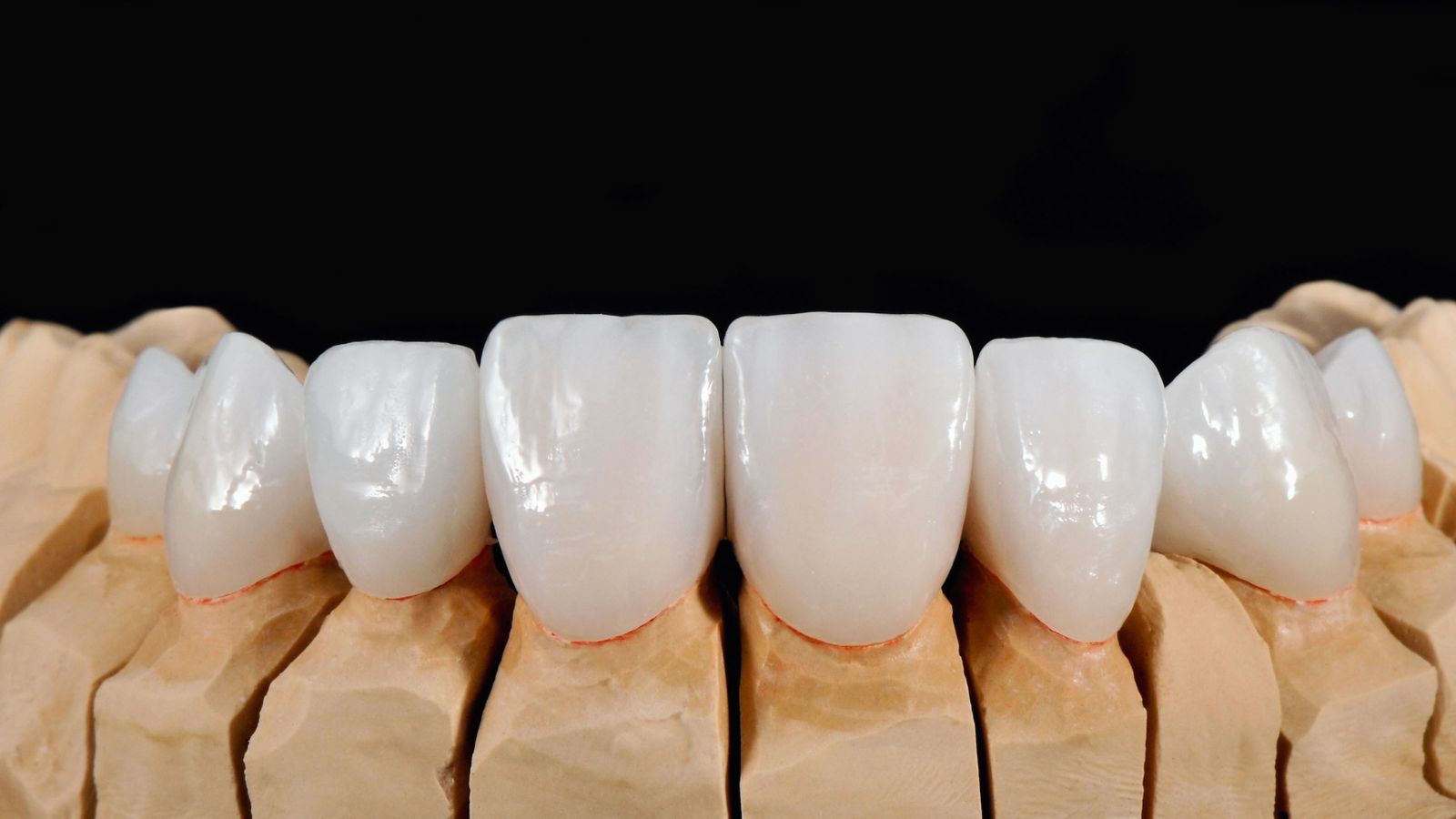
Your dental team takes impressions or digital scans to design a crown, bridge, or denture that fits precisely and matches adjacent teeth for color, size, and shape. The laboratory fabricates the restoration from porcelain, ceramic, or hybrid materials chosen for strength and esthetics.
The clinician verifies fit, occlusion, and bite, then permanently cements or screws the restoration onto the abutment. You receive instructions for care: brush twice daily, floss or use interdental cleaners around the implant, and schedule regular professional maintenance to preserve function and longevity.
Benefits and Considerations
Dental implants can restore chewing function, preserve jawbone structure, and avoid altering adjacent teeth. They require surgery, healing time, and maintenance, and may not be suitable if you have uncontrolled medical conditions or insufficient bone without grafting.
Advantages Over Other Tooth Replacements
You regain near-normal chewing because implants anchor crowns or bridges directly to the jawbone, unlike removable dentures that sit on the gums. That stability reduces slipping and improves bite force, so you can eat firmer foods like apples or steak more comfortably.
Implants do not require cutting down neighboring healthy teeth, unlike traditional fixed bridges, so you preserve more of your natural dentition. They also reduce bone loss since the implant transmits chewing forces to the bone, helping maintain facial structure over time.
Cost is higher up front compared with dentures or bridges, but implants often lower long-term replacement and adjustment needs. Ask your dentist for a cost comparison and timeline based on single-tooth, multi-tooth, or full-arch scenarios.
Long-Term Durability
Implants use titanium or titanium-alloy fixtures that fuse to bone (osseointegration), creating a strong foundation for prosthetic teeth. With good oral hygiene and routine dental visits, many implants last decades; crowns or prosthetic pieces may need replacement every 10–15 years.
Success depends on factors you control: stop smoking, treat gum disease, and maintain regular cleanings. Systemic conditions such as uncontrolled diabetes or medications that affect bone healing can reduce longevity, so discuss your medical history with your provider.
Plan for maintenance: daily brushing, flossing around the implant, and professional cleanings. Your dentist may recommend specific tools (interdental brushes, water flosser) and schedule follow-ups to monitor bone level and soft-tissue health.
Potential Risks and Limitations
Surgical risks include infection, nerve injury causing numbness or tingling, and sinus complications for upper-back implants. These events are uncommon but possible; your clinician should review risk mitigation steps like imaging and surgical planning.
Not everyone qualifies without preparation. Insufficient jawbone often requires bone grafting, which adds procedures, cost, and healing time. Certain medications (bisphosphonates, some cancer therapies) and uncontrolled systemic diseases can contraindicate implant placement.
You should expect a multi-month process: implant placement, healing (often 3–6 months), and then final restoration. Peri-implantitis (inflammatory bone loss similar to gum disease) can occur and requires prompt treatment. Discuss realistic timelines, alternative treatments, and warranty or insurance coverage before you proceed.