
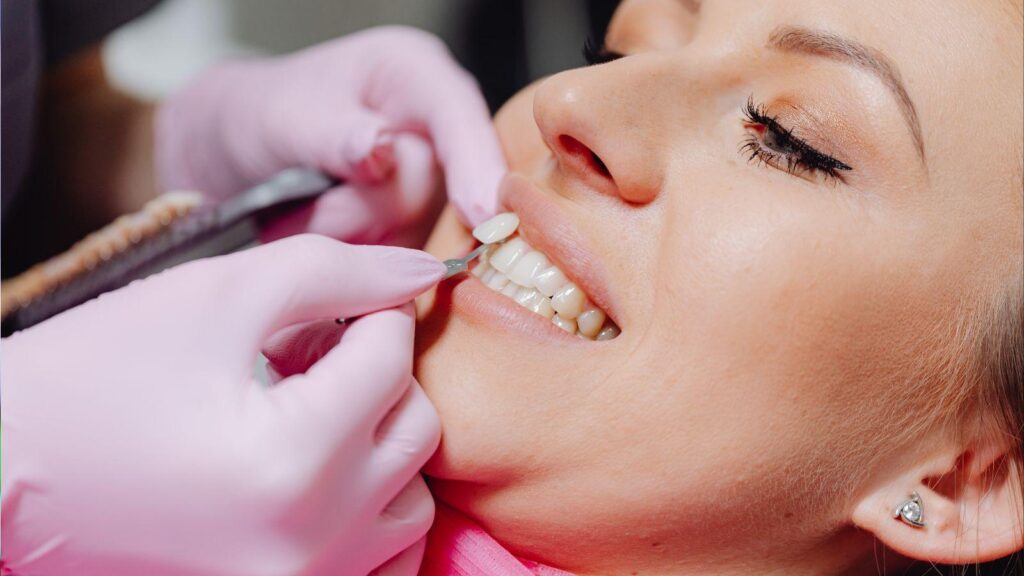
If you struggle with slipping, sore spots, or food limits from traditional dentures, implant-supported dentures can give you a stable, long-lasting solution that restores chewing, speech, and confidence. They replace tooth roots with implants that anchor your prosthetic teeth, so your smile stays secure and your jaw bone is preserved.
This article compares options, shows immediate and long-term benefits, and explains how implant-supported dentures can change daily life—from clearer speech and easier eating to fewer maintenance hassles. If you’re exploring permanent dentures Plano TX clinics provide, you’ll have the context to decide whether this permanent-forward approach fits your needs.
Comparing Denture Solutions
You’ll learn how traditional removable dentures, implant-retained overdentures, and fixed implant bridges differ in fit, function, cost, and maintenance. This helps you match a solution to your chewing needs, jawbone condition, and budget.
Traditional Dentures Versus Implant-Supported Options
Traditional dentures rest on your gums and rely on suction, adhesives, and fit for stability. They are usually less expensive up front and can be made quickly, but you may experience slipping, sore spots, and loss of chewing efficiency with tough foods.
Implant-supported options anchor to titanium implants in your jaw. An overdenture typically snaps onto 2–4 implants, while a fixed implant bridge uses more implants and stays permanently in place. You’ll notice improved bite force, fewer relines, and reduced movement when speaking or eating.
Costs and timelines differ. Expect lower initial cost and faster delivery with traditional dentures. Implant options require surgery, healing time, and higher initial investment but often reduce long-term costs tied to relines, adhesives, and functional limitations.
Understanding the Implant Procedure
The implant process begins with imaging and a bone assessment to identify implant sites where bone volume is sufficient. Your surgeon places titanium implants into the jaw; these integrate with bone over weeks to months, a process called osseointegration.
For overdentures, you typically receive 2–4 implants that attach to a removable denture via snaps or bars. For fixed restorations, more implants (often 4–8) support a permanent bridge. Healing time varies: 3–6 months is common, though immediate-load protocols can shorten that in select cases.
You should plan for surgical visits, temporary prostheses during healing, and a maintenance schedule. Expect routine hygiene, occasional adjustments, and regular dental follow-ups to monitor implant health.
Suitability for Different Patients
If you have adequate jawbone and good overall health, implants provide better stability and function and often higher satisfaction. Smokers, uncontrolled diabetics, or patients with severe bone loss may need risk mitigation—smoking cessation, medical management, or bone grafting—before implants are recommended.
Traditional dentures suit patients seeking lower upfront cost, faster treatment, or those medically unable to undergo implant surgery. They remain a practical option if you accept periodic relines and adhesive use.
Discuss goals—chewing hard foods, long-term stability, appearance—with your dentist. They’ll evaluate bite, bone volume, medical history, and budget to recommend either a removable denture, an implant-retained overdenture, or a fixed implant-supported prosthesis.
Immediate and Long-Term Benefits
You gain faster, more secure function and lasting preservation of jaw structure. Expect clearer speech, firmer chewing, and reduced bone loss compared with conventional removable dentures.
Improved Stability and Comfort
Implant-supported dentures anchor to 4–6 implants or as few as two in some cases, so the prosthesis resists slipping and lifting when you talk or eat. That anchorage cuts movement that causes sore spots, so you’ll likely need fewer relines and fewer painful adjustments.
Because the denture sits on implants instead of relying only on suction or adhesive, you feel more like the teeth are part of your mouth. Many patients report less gagging and a more natural bite force, which reduces soft-tissue irritation and lets you tolerate longer wear times.
Impact on Speaking and Chewing
When your denture snaps or screws to implants, consonants and sibilant sounds become clearer because the prosthesis stays firmly in place. You’ll often notice immediate improvements in pronunciation during the first days after fitting.
Chewing efficiency increases substantially; implant support restores much more of your original bite force. You can reliably eat firmer foods—like apples, carrots, and roasted meats—without frequent denture movement, which improves nutrition and enjoyment of meals.
Bone Health and Facial Structure
Implants transmit chewing forces into the jawbone, which helps preserve bone volume that otherwise shrinks after tooth loss. That mechanical stimulation slows resorption and maintains the vertical height of the jaw over years.
Preserving bone reduces changes to your lower face and jawline. You’ll typically experience less lip collapse and fewer deepened facial wrinkles than with long-term conventional dentures, which helps maintain facial proportions and a more natural appearance.
Lifestyle Enhancements for Wearers
You can expect stronger bite force, fewer slips, and simpler daily care compared with conventional dentures. These changes affect how you eat, speak, socialize, and plan long-term dental care.
Confidence in Social Interactions
Implant-supported dentures anchor to implants so your prosthesis resists shifting during talking, laughing, or coughing. You’ll speak more clearly because consonants that rely on stable denture position—like “s” and “t”—become easier to produce.
Eating in public becomes less stressful. You can bite firmer foods (apples, steak, crusty bread) with greater confidence, and you’re less likely to pause or avoid foods because of fear the denture will move.
Appearance and facial support improve too. Implants preserve jawbone volume better than removable dentures alone, which helps maintain facial contours and reduces the sunken look that can undermine self-image.
Care and Maintenance Requirements
You still need daily hygiene, but routines change. Clean around implant abutments and under the denture using a soft brush and interdental brushes; avoid soaking in abrasive cleansers that can damage attachments.
Expect periodic professional maintenance. Denture clips or overdenture bars wear over time and require adjustments or replacement every few years. Plan for routine checkups—usually every 6 months—to monitor implant health and soft tissues.
Be mindful of habits. Avoid chewing very hard objects and use a night-time routine if your dentist recommends removal. Smoking and uncontrolled diabetes increase implant failure risk, so managing those factors supports long-term success.
Adaptation Period and Support
Your mouth needs weeks to months to adapt. Initial soreness, heightened salivary flow, or altered chewing patterns are common for a few weeks as muscles and nerves relearn new mechanics.
Follow staged dietary progression: start with soft foods, then gradually reintroduce firmer textures as comfort and bite strength return. Speech therapy or simple reading-aloud exercises can speed improvements if you notice lingering lisping.
Rely on your dental team for adjustments and coaching. They can tighten attachments, rebalance the bite, and show cleaning techniques. Peer support groups or patients who’ve transitioned can offer practical tips that reduce anxiety and shorten the adaptation curve.