
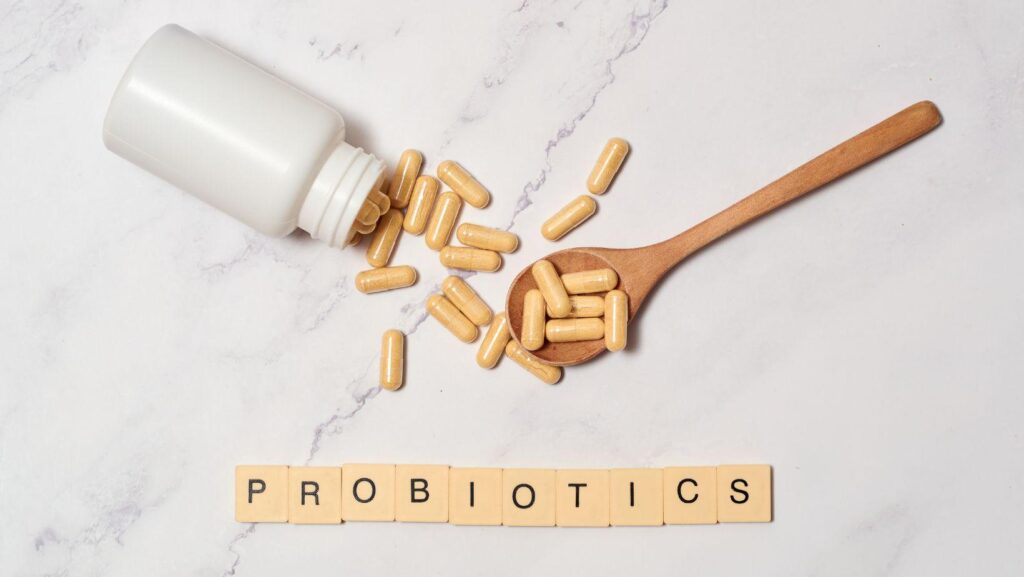
Dentists who once dismissed oral probiotics as a wellness fad are starting to look twice at the research. That shift is not an endorsement. It reflects a small but growing body of clinical evidence showing that specific bacterial strains, delivered in the right form, can influence the balance of bacteria in your mouth.
Oral probiotics show modest, strain-specific benefits for bad breath, gum inflammation, and cavity-causing bacteria, but they work as a supplement to brushing, flossing, and professional cleanings, never a substitute for them. The distinction matters because marketing around these products often outpaces what clinical trials actually support, so if you're thinking about trying one, a quick conversation with a dental team such as Revolution Dental Implant Center can help you separate the evidence from the hype.
Tooth decay affects more than 90% of American adults at some point, and gum disease affects over half. Those numbers have barely moved in two decades, which is part of why researchers and clinicians are giving microbiome-based approaches a closer look now.
What Oral Probiotics May Do for Teeth, Gums, and Breath
Oral probiotics work by introducing beneficial bacteria that compete with harmful species for space and resources in your mouth. Clinical trials point to measurable, if modest, effects on plaque-forming bacteria, gum inflammation, and the volatile sulfur compounds behind bad breath.
How Beneficial Strains Interact With the Oral Microbiome
Beneficial strains crowd out pathogens rather than attacking them directly. Certain probiotic bacteria form a protective biofilm on tooth and gum surfaces, occupying territory that cavity-causing or odor-producing bacteria would otherwise colonize.
Some strains also produce compounds that directly suppress Streptococcus mutans, the bacterium most responsible for tooth decay. Others interact with saliva production and composition, which affects how well your mouth naturally clears food particles and buffers acid.
The mechanism is not fully mapped. Researchers describe it as a mix of direct competition, biofilm interference, and indirect signaling with the host immune response.
Where Research Shows the Most Potential
The strongest evidence clusters around three areas: halitosis, cariogenic bacteria levels, and gingival inflammation. Strains like Streptococcus salivarius have shown consistent reductions in the compounds that cause bad breath.
For cavity prevention, several trials report lower counts of S. mutans and Lactobacillus in saliva after probiotic use. Periodontal research shows smaller but real reductions in gum bleeding and inflammation markers when probiotics are used alongside standard hygiene.
None of these results suggest a cure. They suggest a supporting role with a plausible biological basis.
Why the Evidence Calls for Caution
The caution around oral probiotics stems from inconsistent findings across studies and a marketplace that moves faster than the science. An umbrella review of meta-analyses on probiotics for caries, halitosis, and cariogenic bacteria found the results vary considerably depending on which strain, dose, and delivery method a study used.
Why Benefits Depend on the Exact Bacterial Strain
Not every probiotic strain behaves the same way in the mouth. A strain shown to reduce bad breath in one trial may have no documented effect on gum health, because the mechanisms differ by species and even by specific bacterial strain within a species.
This creates a practical problem for consumers. A supplement bottle listing "probiotics" without naming the exact strain, such as Lactobacillus reuteri or S. salivarius K12, offers no way to match the product to a specific, studied benefit.
Delivery format complicates things further. Oral bacteria need to stay in the mouth long enough to colonize, so a swallowed capsule designed for gut health may bypass the oral cavity entirely. Chewable tablets and lozenges are built to keep strains in contact with teeth and gums.
What Oral Probiotics Cannot Replace
Oral probiotics do not replace mechanical plaque removal or professional dental care. Brushing and flossing physically disrupt biofilm in ways no bacterial strain can substitute for, and professional cleanings remove hardened tartar that no supplement addresses.
Clinical guidance from dental organizations frames nutrition and microbiome support as an addition to hygiene routines, not a stand-in for them. Patients awareness research also shows many people overestimate what these products can do, partly because of how they are marketed.
A Useful Adjunct, Not a Replacement for Dental Care
Oral probiotics earn a place in a dental care routine as a supporting tool, best suited to people already brushing twice a day, flossing, and keeping up with checkups who want an additional edge against bad breath or mild gum inflammation. The clinical signal is real, though modest, and it depends heavily on choosing a product with a named, studied strain in a format designed to stay in the mouth.
Skipping brushing or dental visits in favor of a probiotic lozenge is not supported by anything in the research. The evidence points to oral probiotics working alongside fluoride toothpaste, flossing, and regular cleanings, filling gaps those habits do not fully cover rather than standing in for them.
For anyone considering one, checking the label for a specific strain name and a delivery format built for oral contact is the most concrete step available right now.