
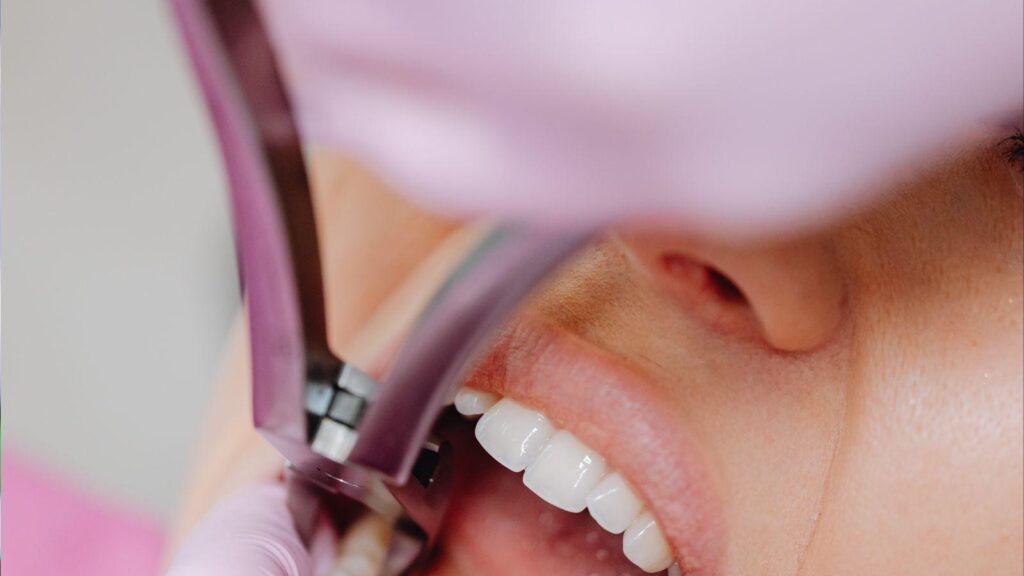
A missing tooth may seem small now, but it can change how your mouth works and how you feel about your smile. If you ignore a missing tooth, nearby teeth can shift, your jawbone can shrink, and your bite and chewing ability can worsen over time — all things that an experienced provider of dental implants in High Point, NC can help you address before they lead to more costly problems.
You will also notice everyday effects like trouble chewing certain foods, changes in speech, and a self-conscious feeling about your appearance. The article will explain how these issues develop, how they affect your daily life and long-term health, and what replacement options can stop the damage.
Impact on Oral Health
You can expect three main problems: loss of bone where the tooth used to be, nearby teeth drifting into the empty space, and changes to the gum tissue that raise your risk of infection. Each of these affects chewing, smiling, and long-term dental health.
Bone Loss in the Jaw
When a tooth is missing, the jawbone that once supported it no longer gets the forces from chewing that keep bone cells active. Over months and years, that bone slowly shrinks (resorbs), which can reduce bone height and width at the gap.
Bone loss can make future tooth-replacement options harder. For example, dental implants need a certain amount of bone to anchor properly. If you wait, you may need a bone graft to rebuild the ridge before an implant.
You may also notice facial changes if bone loss is extensive. The lower face can lose support, which affects the way your smile and jawline look. Early replacement preserves bone and keeps more treatment options open.
Shifting of Adjacent Teeth
Teeth next to the empty space tend to tilt or drift toward the gap over time. This movement changes how your upper and lower teeth meet when you bite.
Shifting teeth can create new gaps, crowding, or uneven wear on tooth surfaces. These changes often cause bite problems (malocclusion) that lead to jaw pain, chewing difficulty, or increased risk of tooth fractures.
Correcting shifted teeth later may require orthodontics, crowns, or bridges. Replacing the missing tooth soon helps keep neighboring teeth in their proper positions and reduces the chance you’ll need more complex treatment.
Gum Tissue Changes
The gum tissue around a missing tooth can shrink and recede because there’s no longer a tooth root to support the soft tissue. Recession exposes adjacent tooth roots and increases sensitivity.
Gum shrinkage also creates pockets where food and bacteria collect. That raises your risk of gum infection (periodontitis) around nearby teeth, which can lead to bone loss and further tooth loss if not treated.
Restoring the missing tooth helps preserve the gum contour. In some cases, you may still need gum grafts or tissue shaping to restore healthy gum form if too much shrinkage has already occurred.
Effects on Daily Function
A missing tooth can change how you eat, talk, and clean your mouth. Small changes build up and affect comfort, nutrition, and dental health.
Difficulty Chewing
You may bite unevenly and avoid hard foods like apples, nuts, or steak. That puts extra force on the teeth that remain, which can cause them to wear faster or crack.
If the missing tooth is a molar, you will lose most of your chewing power on that side. You might chew on the other side more, which stresses muscles and can lead to jaw pain or TMJ discomfort.
Soft or processed foods may start to dominate your diet if chewing becomes tiring. Over time that can affect nutrition and digestion because you chew less thoroughly.
Speech Alterations
A missing front tooth can change how you form sounds such as “s,” “f,” and “th.” You might notice a lisp, whistle, or air escape where the tooth used to stop airflow.
Even back teeth affect resonance and clarity. Gaps change tongue placement and the way air flows through your mouth, so some words may come out differently until you adapt.
Speech changes can make you self-conscious and affect work or social interactions. Simple replacements, like a temporary prosthetic, often restore normal sound quickly.
Challenges With Oral Hygiene
Gaps collect food and bacteria more easily than filled spaces. You’ll need to clean the area carefully with floss, interdental brushes, or water flossers to avoid decay of neighboring teeth.
Teeth next to the gap can tilt or shift, creating tight spaces that are hard to reach with a regular toothbrush. This makes plaque buildup more likely and increases the risk of gum inflammation or periodontal disease.
If bone loss starts under the gap, gum contours change and pockets may form. You must monitor the area at dental visits to prevent infection and maintain healthy tissue.
Long-Term Consequences
Ignoring a missing tooth can change how your mouth works, how your face looks, and how well nearby teeth hold up. These effects can build over months to years and may need more complex treatment later.
Facial Structure Changes
When a tooth is gone, the bone that once supported its root no longer gets normal stimulation. Over time, that jawbone shrinks in height and width. This loss can make the cheek or lip above the gap sink inward.
You may notice changes in your smile and facial profile. Your lower face can appear shorter and your mouth may look collapsed. Dentures or implants placed later may need extra bone grafting to restore support.
These changes are gradual but visible. If you want to maintain your current facial shape, replacing the tooth sooner reduces the chance of significant bone loss.
Increased Risk of Further Tooth Loss
A missing tooth alters how chewing forces spread across your mouth. Adjacent teeth take more load and can tilt or drift into the empty space. That movement creates harder-to-clean gaps and uneven contacts.
Misaligned teeth trap food and plaque, raising your risk of gum disease and decay. Over months or years, affected teeth can loosen and may require removal. Replacing the missing tooth early helps keep force distribution balanced and lowers the chance of losing additional teeth.
Regular dental checks can catch shifting and bone loss early, so you can choose a timely repair like a bridge, implant, or partial denture.
Likelihood of Developing TMJ Disorders
When your bite changes from a missing tooth, your jaw muscles and joints adjust to the new position. This can create strain on the temporomandibular joint (TMJ). You might start to feel jaw pain, stiffness, or popping sounds when you open and close your mouth.
Altered chewing patterns can also cause muscle fatigue and headaches. These symptoms may come and go, but persistent imbalance can lead to chronic TMJ problems that take months to treat.
Restoring proper bite alignment with a replacement tooth often reduces joint stress. Your dentist or a specialist can recommend treatments like bite adjustment, splints, or physical therapy if TMJ symptoms develop.
Social and Psychological Implications
A missing tooth can change how you feel about yourself and how others respond to you. It can lower your confidence, make conversations harder, and push you away from people and activities you once enjoyed.
Self-Esteem Concerns
You may notice you smile less and cover your mouth when you talk or laugh. That avoidance can make you feel less attractive and more self-conscious in photos, dates, or job interviews. These feelings are common when the tooth is visible or affects speech.
Worrying about your appearance can also increase anxiety in daily situations. That anxiety can make you second-guess yourself and reduce willingness to try new social or professional opportunities. Restoring the tooth or using a replacement option often improves how you see yourself.
Impacts on Social Interaction
A missing tooth can change how people react to you in conversations. You might speak more quietly, avoid certain words, or pause more often to hide the gap. Those adjustments can make conversations feel awkward or less natural.
Over time, you may skip social events or limit interactions to avoid embarrassment. That withdrawal can reduce support from friends and affect teamwork at work. Replacing the tooth or practicing coping strategies helps you regain confidence in group settings and one-on-one talks.