
Retirement changes your days in ways you might not expect. Small, intentional tweaks to your routine, social life, and daily activities can make life a lot more satisfying—and healthier, too.
You can improve your quality of life after retirement by adjusting routines, strengthening social ties, and adding activities that fit your goals. It doesn’t always take a big overhaul. Sometimes, just a few thoughtful changes can do the trick. Keeping up with health basics fits right in here—routine visits to Parkside Dental Care help protect the comfort and confidence that make those active retirement years easier to enjoy.
As you look for ways to fill your time and find purpose, this article offers practical, evidence-informed ideas for different lifestyles and budgets. You’ll find simple steps to shape your days, deepen connections, boost wellbeing, and discover new interests that keep you engaged.
Redefining Daily Routines
Small, repeatable choices shape your mood and energy. Focus on habits that support health, purpose, social connection, and give you enough rest.
Establishing Meaningful Habits
Pick one small habit to try each month. Test it for two weeks and decide if it’s worth keeping.
Some ideas: a 20-minute walk three mornings a week, a weekly call with a friend, or 15 minutes of a favorite hobby after lunch. Use a checklist or calendar to track your progress—seeing those marks add up can feel surprisingly good.
Tie new habits to something you already do. Stretch after brushing your teeth or read for 10 minutes after lunch. Specific triggers and set times help make these new routines stick.
Don’t push too hard. If a goal drains you, scale it back. Meaning builds through small, steady actions rather than big, rare efforts.
Time Management for Retirees
Block your day into chunks: mornings for active stuff, midday for appointments or socializing, later for low-key hobbies. A simple weekly template—on paper or digital—helps you commit without overloading your schedule.
Pick three things to focus on each day: one for health, one for relationships, one for purpose. Rank them by importance, not urgency, and protect time for your top priority first.
Leave some buffer time between activities. Schedule travel and transitions, and set alarms to start and stop. If something unexpected pops up, drop or shorten a lower-priority task instead of shuffling everything around.
Balancing Activity and Relaxation
Aim for a mix—maybe 60% activity, 40% rest—but adjust as you need. Activities might be walks, chores, volunteering, or classes. Rest could mean reading, naps, or gentle hobbies.
Alternate busy days with lighter ones to avoid burnout. If you have a long outing or a family visit, plan for a quieter day afterward. Pay attention to your sleep and mood—if you’re not sleeping well, try winding down earlier in the evening.
Create little rituals to mark the switch between activity and rest. Maybe a short breathing exercise after a busy morning, or a 10-minute wind-down before bed. These small routines help your mind and body shift gears.
Enhancing Social Connections
Strengthen relationships by expanding who you see and how you interact. Build a support network, join local groups, and keep regular, meaningful contact with family.
Building Support Networks
List people you can rely on for different things: a neighbor for small favors, a peer for shared activities, a friend for emotional support. Keep it simple—three to five local contacts is enough. Check in weekly by phone, text, or a quick visit to keep those ties active.
Meet new supporters in structured settings. Volunteer at a library or food bank, join a walking group, or take a community class. These regular meetups build trust over time.
Swap contact info with a couple of people from each activity. Try to schedule a coffee or walk within two weeks.
Keep your network diverse. Include people of different ages and backgrounds. Every six months, update your list—add new connections and see which relationships might need a little more attention.
Community Involvement Opportunities
Look for activities within a 15–30 minute drive or walk. The closer, the more likely you’ll stick with it.
Find programs that run on a regular schedule: weekly fitness classes, gardening clubs, faith groups, or civic associations.
Pick roles that fit your skills and energy. If you like organizing, help run events. If you prefer hands-on work, join a garden crew or helper team. Regular responsibility—like volunteering or joining a committee—creates purpose and steady social contact.
Check local libraries, senior centers, and city websites for options. Try two different activities for a month each. Commit to the one that feels best and gives you reliable social time.
Maintaining Family Bonds
Set up recurring touchpoints with family so staying in touch becomes automatic. Try a weekly call, a monthly video dinner, or a quarterly in-person visit. Put these on everyone’s calendar to avoid last-minute changes.
Create small rituals together. Send a weekly photo, make a shared playlist, or celebrate little milestones by text. These habits keep connections strong without much hassle.
Let relatives know what you need—when you want company and when you need quiet. Clear boundaries help everyone get along and keep those relationships healthy.
Promoting Physical and Mental Wellbeing
Small, steady habits can keep you strong, improve your mood, and reduce stress after retirement. Focus on movement you can keep up, meals that fuel you, and simple mind-body practices to steady your mood.
Incorporating Gentle Exercise
Choose activities that build balance, strength, and cardio without much injury risk. Shoot for 150 minutes of moderate activity each week—brisk walks, water aerobics—and add two short resistance sessions.
A sample week might look like:
Go slow. Add 5–10 minutes per session each week or increase resistance just a bit. Track your sessions in a notebook or app. If you have joint pain, try cycling or pool exercise. Talk to your doctor before starting if you have chronic conditions or recent surgeries.
Nutrition and Healthy Eating Habits
Focus on protein, fiber, healthy fats, and nutrients for muscle and bone health. Try to get 20–30 grams of protein at each main meal, and include calcium and vitamin D.
Some daily ideas:
Snack on nuts, fruit, or cottage cheese. Cut back on highly processed foods and sugary drinks. Keep water handy—carry a bottle and sip often. If you eat little animal protein or have absorption issues, ask your doctor about vitamin D or B12 checks.
Mindfulness and Stress Reduction
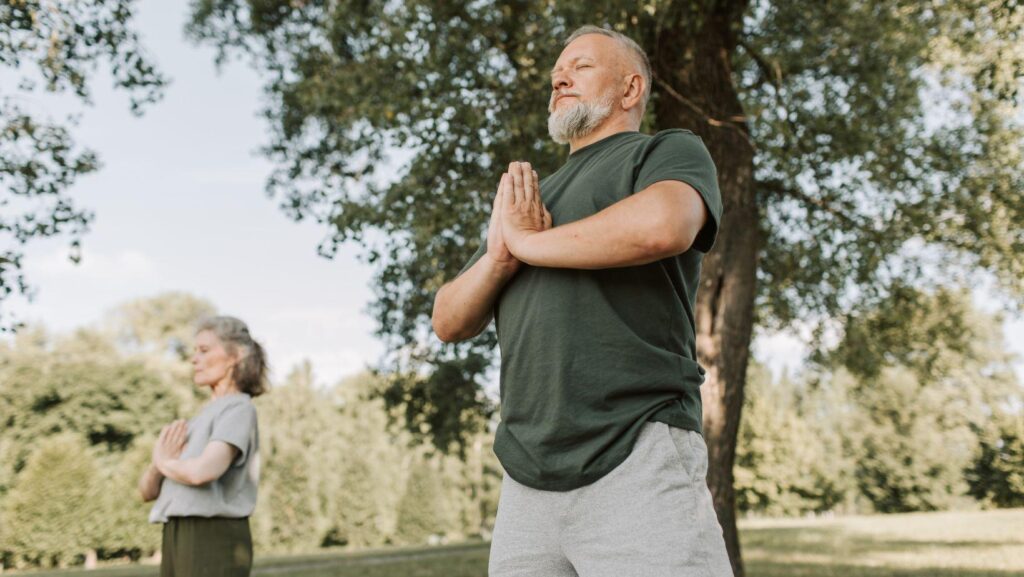
Try short, repeatable practices to lower anxiety and help you sleep better. Start with 5–10 minutes a day: focused breathing, body-scan meditation, or progressive muscle relaxation.
You might try:
Guided audio or apps can help if you want more structure. Keep up social contact and routines to avoid getting stuck in your head. If low mood or worry gets in the way of daily life, reach out to your doctor or a mental health professional for support.
Exploring Lifelong Learning and New Interests
Learning new skills, deepening your interests, or sharing your time and experience can make daily life more interesting. Pick activities that fit your schedule, budget, and energy so they actually stick.
Pursuing Hobbies and Passions
Go for hobbies that fit your abilities and goals. If you liked gardening, try raised beds to avoid bending. If you enjoy art, pick a medium—maybe watercolor or digital—and get a basic starter set.
Set small, measurable goals: finish one sketch a week, grow three types of veggies, or learn five songs on the ukulele in two months.
Join local clubs or online groups for motivation and feedback. Look for Meetup groups, community classes, or online forums where people share tips and progress. Track your own progress with a journal or photos—it’s nice to see how far you’ve come.
Block out time for hobbies. Ninety minutes, twice a week, works for a lot of people. If you get bored, swap activities to keep things fresh.
Engaging in Educational Opportunities
Pick courses with a clear payoff: a certificate, a new skill, or a personal project. Community colleges, university extension programs, and platforms like Coursera or local senior learning centers offer short classes in history, languages, digital skills, and more.
Aim for courses that challenge you a bit but offer support or peer discussion. If you have mobility concerns, look for livestreams or recorded lectures and ask for captions if needed.
Find a study partner or group for accountability. Use Google Calendar, a shared doc for notes, and check in weekly. Apply what you learn—teach a short session, start a small project, or build a portfolio to make it stick.
Volunteering and Giving Back
Pick volunteer roles that fit your skills and the time you actually have. Got administrative experience? Jump in and help a nonprofit with some bookkeeping or grant writing.
If you love working with people, maybe try tutoring, mentoring, or pitching in at a food bank. Short shifts—just three or four hours a week—can help you build a routine without feeling swamped.
Look for roles where expectations are clear and some training is offered. It’s smart to ask about orientation, who’ll supervise you, and how flexible they can be if you get sick or need to travel.
Volunteering isn’t just about giving; it’s a chance to connect with others and find purpose. Try tracking the things that matter to you, like people served or projects finished, so you can actually see your impact.