
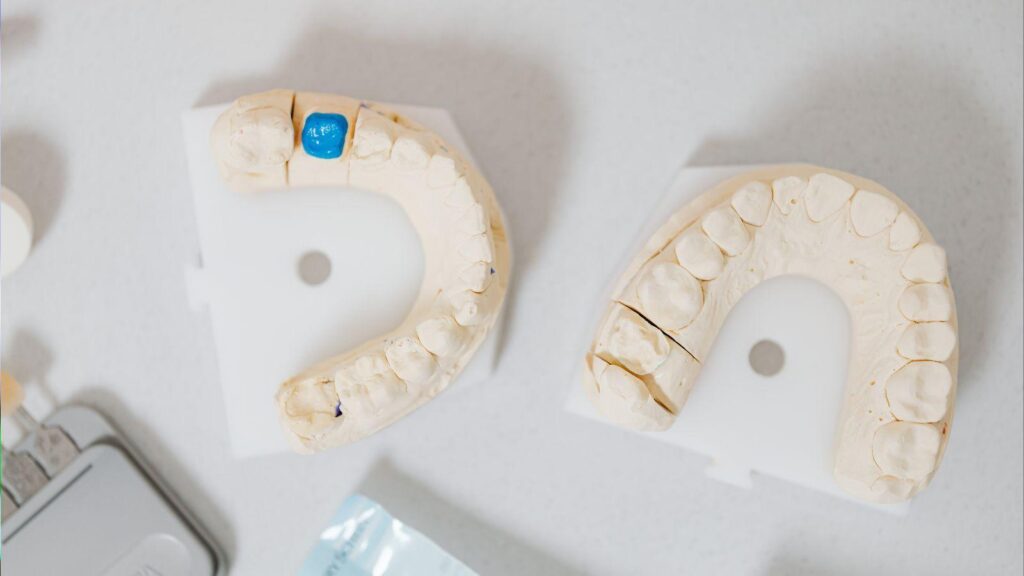
You want a tooth solution that fits your mouth, budget, and lifestyle. Mini implants work well for smaller gaps, lower bone volume, or when you need a quicker, less invasive option. Traditional implants offer greater long-term strength for larger restorations and full arches — and a provider of dental veneers in Anchorage can help you explore all your restoration options to find the right fit.
If you need a lower-cost, faster option with simpler surgery, mini implants may suit you; if you want maximum durability for bigger restorations and can invest more time and money, traditional implants are likely the better choice.
This article compares implant design, who makes a good candidate, cost versus long-term value, and what recovery looks like so you can pick the option that fits your needs.
Comparing Implant Designs
You will learn how implant size, shape, materials, and placement differ between mini and traditional options. These differences affect cost, healing time, and which cases each implant suits best.
Size and Shape Differences
Mini implants are narrow, usually about 1.8–3.3 mm in diameter, and have a single-piece design where the post and head are one unit. They look like small screws and are often used to stabilize dentures or replace small front teeth. Their slim profile requires less bone width and can avoid bone grafting.
Traditional implants are wider, commonly 3.5–6 mm in diameter, and come in two or three parts: the root-form titanium post, an abutment, and a crown. The larger diameter gives more surface area for bone contact, which improves long-term stability for single-tooth restorations and molars. Shape varies too: tapered designs mimic tooth roots, while cylindrical types suit denser bone.
You should choose based on the available bone, the tooth’s function, and how much load the implant must bear.
Materials Used in Construction
Most traditional implants use commercially pure titanium or titanium alloys. Titanium bonds strongly with bone through osseointegration. Manufacturers may add surface textures or coatings, such as roughened surfaces or hydroxyapatite, to speed integration and improve long-term hold.
Mini implants often use titanium too, but some use titanium alloy with a polished or semi-rough surface. Because mini implants are smaller, their metal strength and design matter more to resist bending. Some mini systems use one-piece designs with integrated ball heads or locator attachments to secure dentures.
Ask your dentist what specific alloy and surface treatment they use. Material choices affect strength, healing time, and how well the implant fuses with your jaw.
Placement Procedures
Placing mini implants is often quicker and less invasive. Your dentist can sometimes insert them with a single-stage, flapless technique using a small pilot hole. This usually causes less swelling and can allow immediate attachment of a denture or temporary crown in one visit.
Traditional implants typically require a two-stage process. First, the implant is surgically placed into the bone and covered to heal for several months. After osseointegration, a second procedure exposes the implant to attach an abutment and crown. Bone grafts or sinus lifts are more common with traditional implants when bone volume is low.
Your medical history, bone quality, and the tooth’s function determine which placement fits you best.
Candidate Suitability
You need the right jaw shape, health, and daily habits to pick the best implant type. The next parts explain bone needs, medical issues that matter, and how age and lifestyle shift the choice.
Jawbone Requirements
Your jawbone size and density decide if mini or traditional implants work best. Mini implants are much thinner and fit into narrow ridges where bone width is limited. If your lower or upper ridge measures less than about 4–5 mm across, minis often avoid bone grafts.
Traditional implants need more bone volume. You typically need enough height and width to hold a wider fixture—often 6 mm or more in diameter and several millimeters of depth. That may mean a graft or sinus lift if bone has resorbed.
Imaging (CBCT or dental X-rays) shows exact measurements. Ask your dentist about bone quality (soft vs. dense) because softer bone can affect implant stability and may favor traditional implants with staged healing.
Health Considerations
Your overall health and medical history affect implant success. Conditions like uncontrolled diabetes, radiation to the head/neck, or heavy smoking raise failure risk. Mini implants involve less surgery, so they can be safer when you need a shorter procedure.
Medications matter. Bisphosphonates or certain antiresorptives can increase complications. Tell your dentist about blood thinners, immune-suppressing drugs, and steroid use. They may adjust timing or consult your physician.
Oral health counts too. Active gum disease or untreated tooth infections must be cleared first. Good oral hygiene and regular dental visits improve long-term outcomes for both mini and traditional implants.
Age and Lifestyle Factors
Your age alone does not rule implants in or out, but growth and habits do. Younger patients still growing should delay implants until jaw growth finishes. Older adults can do well with either type if their health is stable.
Lifestyle choices matter. Heavy smokers and people who grind teeth (bruxism) face higher risk of implant failure. Traditional implants are stronger and may withstand biting forces better in grinders. Mini implants often serve well for denture stabilization if you want a less invasive, quicker option.
Consider your goals and time. If you need fast denture anchoring and minimal surgery, minis work. If you want single-tooth replacement with long-term strength, traditional implants usually fit better.
Cost and Long-Term Investment
You will weigh upfront cost, ongoing care, and how long the implant should last. Think about what you can afford now and what will save money over years.
Initial Treatment Expenses
Traditional implants usually cost more per tooth, often several thousand dollars. That price covers the titanium implant, abutment, crown, and often imaging and surgery. Mini implants cost much less up front—often a few hundred to about one to two thousand dollars per implant—because they use smaller parts and a simpler surgery.
Your jaw health changes the price. If you need bone grafts or sinus lifts for traditional implants, add several hundred to a few thousand dollars. Mini implants often avoid grafts, which lowers immediate cost but limits placement options. Also check whether the quoted price includes the final crown or just the implant post.
Maintenance and Durability
Traditional implants tend to last longer—often decades with good care—so you may pay more now but replace less later. You still need regular cleanings, exams, and occasional repairs to crowns or abutments. Expect routine dental visits every 6–12 months.
Mini implants may need replacement sooner, commonly within 7–15 years depending on use and care. They can be more vulnerable under heavy bite forces. If a mini implant fails, you might need bone grafting before placing a traditional implant, which raises future costs. Keep good oral hygiene and follow your dentist’s advice to extend any implant’s life.
Insurance and Financing Options
Dental insurance rarely covers full implant prices. Some plans cover part of the crown or a portion of surgical fees. Check your policy for implant wording, annual maximums, and waiting periods before assuming coverage.
Many offices offer payment plans, third‑party financing, or medical credit cards to spread cost over months or years. Ask about in-house plans, interest rates, and penalties for late payments. Also inquire whether financing covers follow-up care, repairs, or only initial placement so you can budget accurately.
Recovery and Aftercare
Expect different healing times, risks, and follow-up steps depending on whether you get mini or traditional implants. Your aftercare plan will cover pain control, oral hygiene, eating, and scheduled checkups.
Healing Timelines
Mini implants usually heal faster. You may have mild soreness for 1–7 days and return to normal soft foods in 24–48 hours. Bone integration is quicker for minis used to stabilize dentures, so you often use the prosthesis sooner.
Traditional implants need more time for osseointegration. Expect initial soreness and swelling for 3–7 days. Full bone healing typically takes 3–6 months before the final crown or bridge is placed. If you need a bone graft, add several months for the graft to heal before implant placement.
Follow your provider’s timeline for when to bite on the new tooth or denture. Rushing can cause loosening or failure. Track pain, swelling, and bleeding and report any worsening signs.
Potential Complications
Infection is the most common problem. Watch for increasing pain, redness, pus, or fever. Early antibiotics and cleaning usually fix infections, but severe cases can lead to implant loss.
Nerve damage is rare but possible, especially in lower-jaw implants. You may notice numbness or tingling in the lip, chin, or tongue. Report persistent changes immediately so your dentist can evaluate and reduce long-term risk.
Implant loosening or failure can occur if you bite hard too soon or have poor bone quality. Smoking, uncontrolled diabetes, and poor oral hygiene raise your risk. Follow care instructions to lower these risks.
Follow-Up Care
Attend all scheduled visits: initial check at 1 week, suture removal if needed at 7–14 days, and follow-ups at 1, 3, and 6 months or as directed. Your dentist will check healing, fit, and bite, and take X-rays to confirm bone integration.
Practice daily cleaning: soft-bristled brush, interdental brushes, and antimicrobial rinses as recommended. Avoid hard, sticky foods for the period your dentist sets. If you smoke, stop or cut back—smoking delays healing and raises failure risk.
Keep a pain log and note any changes in sensation or prosthesis fit. Contact your dental team immediately for swelling that worsens after 48 hours, uncontrolled bleeding, fever, or sudden loosening of the implant or crown.