

Plaque forms on your teeth every day, but consistent oral hygiene can prevent it from hardening into tartar that damages gums and enamel. Brushing twice daily with fluoride toothpaste, flossing thoroughly, and using an antiseptic mouthwash help disrupt plaque before it calcifies.
Once plaque turns into tartar, it must be removed professionally with specialized instruments. At-home methods support prevention but cannot replace clinical cleaning. This article explains practical daily routines, what happens during a professional cleaning, and lifestyle habits that reduce plaque buildup over time. If advanced gum disease or infection develops due to untreated tartar, consulting Northwest Oral Surgeons in Schererville, IN may be necessary for specialized care to protect your long-term oral health.
Effective Daily Oral Care Practices
Use a consistent routine that removes plaque from tooth surfaces, between teeth, and along the gumline. Focus on technique, interdental cleaning, and selecting fluoride products and the right tools for your mouth.
Proper Tooth Brushing Techniques
Brush twice daily for two minutes each time using a soft-bristled brush. Hold the brush at a 45° angle to the gumline and use short, gentle strokes to clean the outer, inner, and chewing surfaces.
Use light pressure; pressing hard can damage enamel and recede gums while missing plaque. Replace your toothbrush or brush head every 3 months or sooner if bristles fray.
Consider an electric toothbrush with a timer and pressure sensor if you struggle with time or technique. Clean your tongue lightly with the brush or a tongue scraper after brushing to reduce bacterial load.
Importance of Flossing
Floss at least once daily to remove plaque and food particles from between teeth and under the gumline. Slide the floss in with a gentle sawing motion, curve it into a C-shape around each tooth, and rub up and down along the side of the tooth.
Choose the right type: unwaxed floss for tight contacts, waxed or PTFE floss for tighter gaps, or floss picks for convenience. If you have bridges, implants, or wide spaces, use interdental brushes or water flossers to clean where traditional floss can miss.
Make flossing part of your routine by doing it before bedtime; plaque accumulates overnight and removing it reduces risk of cavities and gum inflammation.
Recommended Toothpaste and Tools
Use fluoride toothpaste with the American Dental Association (ADA) seal or equivalent; fluoride strengthens enamel and helps prevent decay. Opt for toothpaste formulations for your needs: sensitivity (potassium nitrate or stannous fluoride), tartar control, or whitening—avoid abrasive pastes if you have enamel wear.
Essential tools:
- Manual soft-bristled brush or powered toothbrush with a small head and timer
- Dental floss (waxed or unwaxed), interdental brushes (sizes that fit your spaces), or a water flosser
- Fluoride mouthrinse if your dentist recommends extra protection
Store brushes upright to air-dry and avoid sharing oral care tools. Ask your dentist about specific brush head types, floss sizes, or prescription-strength fluoride if you have high decay risk or gum disease.
Professional Dental Treatments for Plaque Removal
Professional dental care removes plaque that home brushing can’t, prevents tartar buildup, and treats early gum disease. Expect mechanical removal, targeted assessments, and personalized follow-up care to protect enamel and gum tissue.
Dental Cleanings and Scaling
During a routine dental cleaning (prophylaxis), a hygienist uses ultrasonic scalers and hand instruments to remove soft plaque and early tartar above and just below the gum line. Ultrasonic scalers vibrate to break up deposits while irrigating with water; hand scalers and curettes smooth root surfaces to discourage bacterial reattachment.
If tartar has hardened or extends below the gum line, your provider performs scaling and root planing. This deeper procedure often requires local anesthesia and may be done across multiple visits. Expect follow-up visits to check healing and measure pocket depth.
Post-cleaning polishing removes surface stains and helps slow new plaque formation. Your clinician will also give targeted oral-hygiene instructions based on areas where plaque recurred.
When to Visit a Dentist
See a dentist for plaque you cannot remove with consistent twice-daily brushing and daily flossing, especially if you notice bleeding, persistent bad breath, or visible tartar. Book a professional exam if you have gum recession, tooth sensitivity, or pockets deeper than 3 mm on prior records.
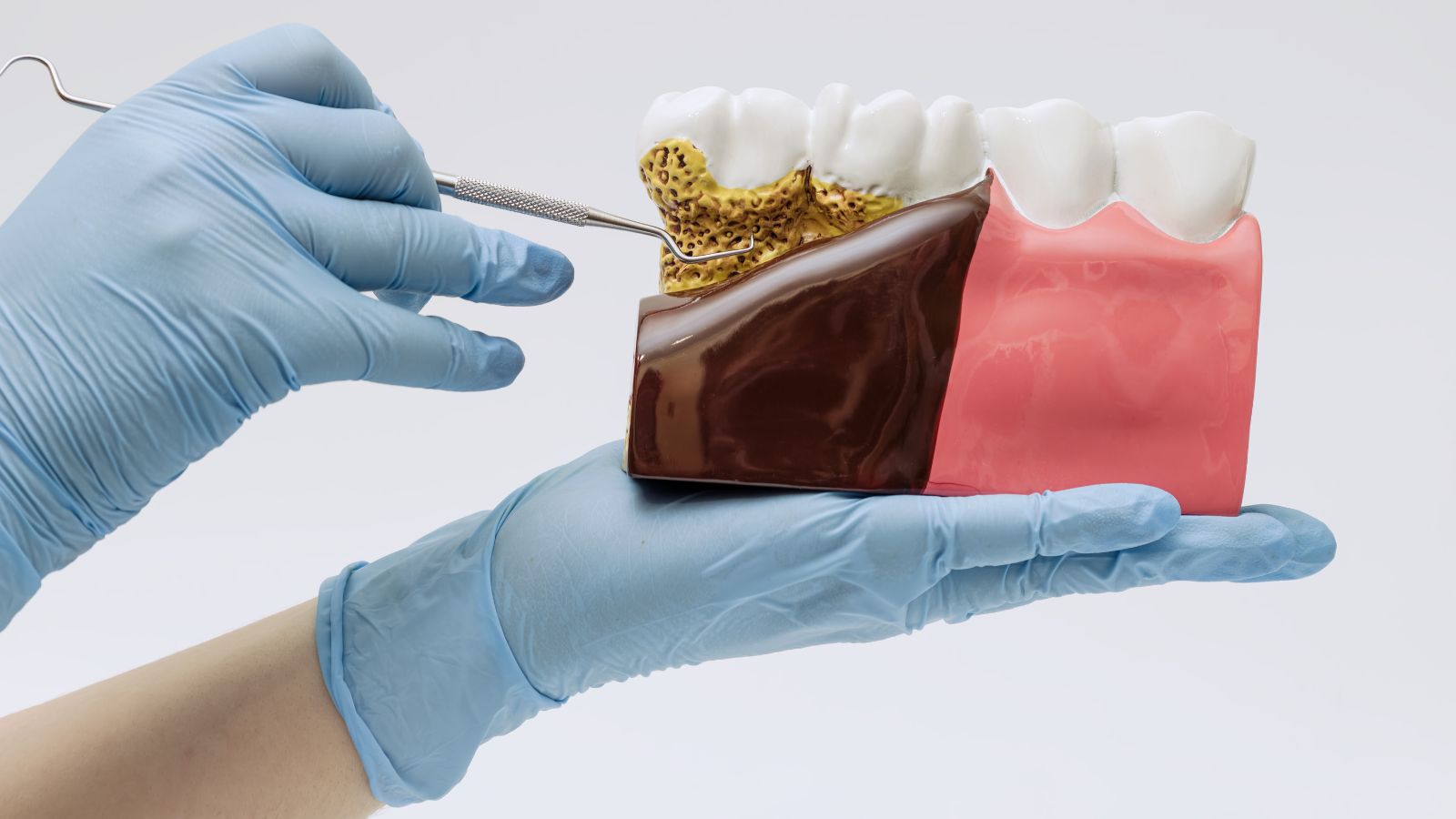
Routine checkups typically occur every six months, but your dentist may recommend 3–4 month visits if you have a history of periodontitis, diabetes, smoking, or orthodontic appliances. Immediate visits are warranted for rapid swelling, pus, or loose teeth—signs of active infection needing urgent care.
Bring a list of medications and recent health changes; some drugs and conditions increase plaque risk and influence treatment frequency.
Plaque Assessment Procedures
Assessment starts with visual inspection and periodontal charting. Your clinician records pocket depths, attachment loss, bleeding on probing, and recession at six sites per tooth to map disease severity. These measurements guide whether simple cleaning or periodontal therapy is required.
Dental X-rays (bitewings or periapicals) evaluate bone level and detect hidden deposits between teeth. In some practices, plaque-disclosing tablets or dyes highlight areas you miss at home; clinicians use those to tailor hygiene coaching.
Based on findings, the dentist assigns a risk category and documents a treatment plan with timing, expected procedures, and preventative strategies such as professional fluoride, antimicrobial rinses, or more frequent cleanings.
Preventive Measures and Lifestyle Influences
Focus on daily choices that reduce bacterial growth, limit sugar and starch exposure, and reinforce mechanical cleaning. Small habit changes—what you eat, whether you use a mouthwash, and how consistently you clean—make the biggest difference in plaque control.
Dietary Choices for Plaque Prevention
Choose whole foods over sticky, sugary snacks. Sugary and starchy foods feed the bacteria that produce plaque; opt for fresh vegetables, cheese, plain yogurt, and nuts instead to lower acid production after meals.
Drink water after eating to wash away food particles and dilute sugars and acids. Chewing sugar-free gum with xylitol for 10–20 minutes stimulates saliva flow and helps neutralize acid, reducing plaque risk.
Limit frequent grazing and sipping on sugary drinks. If you consume juice, soda, or sports drinks, do so with meals and rinse with water afterward. Avoid prolonged exposure to fermentable carbohydrates; timing matters as much as quantity.
Role of Mouthwash in Oral Health
Use an antiseptic mouthwash containing chlorhexidine, cetylpyridinium chloride, or essential oils for short-term plaque control when recommended by your dentist. These agents reduce bacterial load and can lower plaque accumulation, but some (like chlorhexidine) are for limited use because they can stain teeth with prolonged use.
Choose a fluoride rinse if you have high cavity risk or reduced saliva. Fluoride strengthens enamel and helps resist acid produced by plaque bacteria. Use mouthwash after brushing and flossing, not before, to avoid washing away topical fluoride from toothpaste.
Mouthwash does not replace brushing or flossing. Use it as an adjunct: it enhances control but cannot remove plaque biofilm sitting between teeth and along the gumline.
Long-Term Oral Hygiene Habits
Brush twice daily for two minutes with a soft-bristled brush and fluoride toothpaste. Use gentle, short strokes and cover all tooth surfaces; angling the brush 45 degrees toward the gumline helps disrupt plaque at the margin. Replace your toothbrush every 3 months or sooner if bristles fray.
Floss or use interdental cleaners once daily to remove plaque between teeth where brushes can’t reach. Consider water flossers if you have braces, bridges, or dexterity issues—they effectively reduce interdental plaque when used correctly.
Schedule professional cleanings every 6 months or as advised by your dentist. Dental cleanings remove hardened tartar that you cannot remove at home and let your clinician monitor gum health and plaque-related issues.