
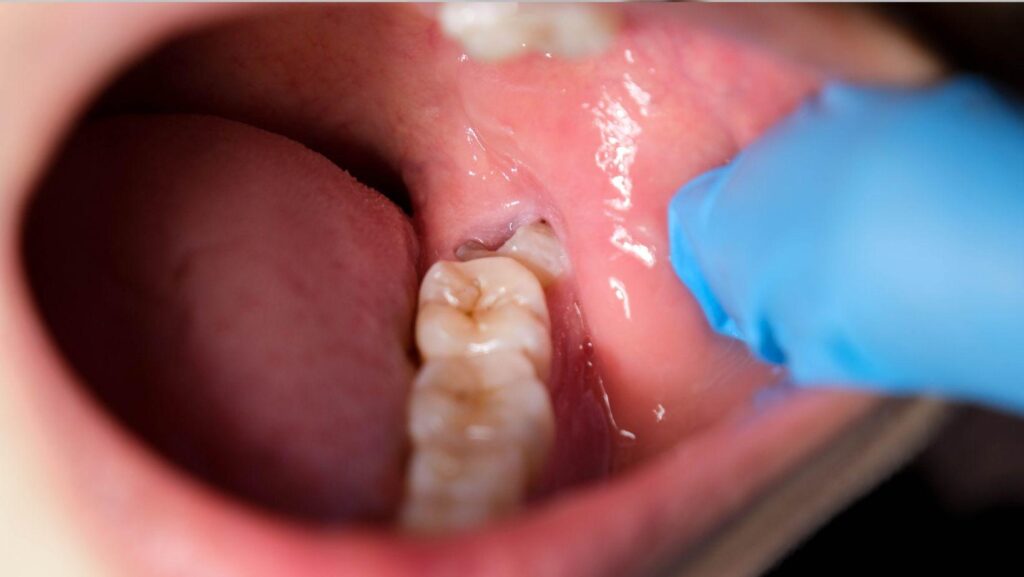
Your mouth does a lot more than just taste and chew. It's home to trillions of bacteria—some friendly, some not so much—that can travel, spark inflammation, and mess with organs far beyond your teeth.
Poor oral health can ramp up your risk for heart disease, diabetes complications, and chronic inflammation by seeding bacteria into your bloodstream and disrupting your gut and immune responses.
Let's dig into how oral microbes connect to your overall health. We'll look at which body parts they affect most, and go over practical steps you can take—without going overboard—to lower your risk with everyday oral care. For a personalized assessment of where your oral health stands, Arthur Greyf, DDS can help you build a routine that protects both your mouth and your body.
Connection Between Oral and Systemic Health
Oral bacteria don’t just stay put. They can move beyond your mouth, trigger immune reactions, and keep inflammation going in ways that affect your organs and metabolism.
Here’s how bacteria slip into your bloodstream, how your immune system reacts, and why ongoing oral inflammation can shake up your whole system.
Pathways for Bacteria Entering the Bloodstream
Everyday stuff—like brushing, flossing, chewing crunchy foods, or getting dental work—can create tiny tears in your gums, especially if gum disease has made them fragile. That’s when bacteria like Porphyromonas gingivalis can squeeze into your capillaries.
Bacteria also hitch rides on biofilm chunks or slip through deep gum pockets. Once they’re in your blood, they can stick to vessel walls or platelets, raising the odds of inflammation in your arteries.
If you’ve got bleeding gums, had a tooth pulled, or struggle with gum disease, you’re more likely to deal with this. It’s worth keeping plaque under control, treating gum problems early, and talking to your dentist about antibiotics if you have heart issues that put you at higher risk.
Good oral hygiene cuts down how often and how much bacteria get in.
Role of the Immune System in Response to Oral Bacteria
Your immune system jumps into action fast. Neutrophils and macrophages show up first when oral bacteria sneak past your tissues, releasing antimicrobial stuff and signaling molecules to corral the invaders.
But some periodontal bacteria are sneaky—they dodge or mess with these defenses. Then your adaptive immune system steps in, with B cells making antibodies and T cells shaping the inflammation.
Chronic exposure to these bugs keeps your immune system fired up, changing your body’s balance of signaling molecules like IL-6 and TNF-α. These can travel through your blood and mess with things like blood sugar and how your blood vessels work.
Oral pathogens aren’t playing fair; they tweak their surfaces and pump out enzymes that break down your body’s signals. Keeping local infections in check eases that immune overdrive and the ripple effects it causes.
Impact of Oral Inflammation on Overall Health
When gum inflammation drags on, your body’s levels of inflammatory markers go up and start affecting other organs. Higher C-reactive protein (CRP) and pro-inflammatory signals from periodontitis link up with faster artery plaque buildup and tougher diabetes control.
Oral bacteria and their byproducts can even mess with your gut microbiome and metabolism, nudging you toward insulin resistance and cholesterol issues. There’s also some evidence that chronic gum inflammation lines up with higher rates of cognitive decline, especially if you’re already at risk for dementia, though we’re still sorting out if it’s a cause or just a correlation.
Tackling gum disease with cleanings, root planing, and sticking to daily care can bring those inflammatory markers down. For folks with diabetes, that sometimes shows up as better blood sugar numbers too.
Effects on Cardiovascular System
Oral bacteria don’t just hang around your mouth. They travel, stir up inflammation, and can interact directly with your blood vessels and heart tissue.
These actions can raise your risk for artery disease, endocarditis, and might even nudge your blood pressure.
Links to Heart Disease and Stroke
Some oral bacteria—think Porphyromonas gingivalis and Fusobacterium nucleatum—have turned up in artery plaques. When these bugs or their pieces get into your blood during gum disease or dental work, they spark inflammation inside your vessel walls.
Your body sends in immune cells and pumps out cytokines (like IL-1β and TNF-α), which can mess with the lining of your arteries and help form plaques.
Chronic gum inflammation also bumps up CRP, a marker tied to higher heart attack and stroke risk. Studies keep finding that people with moderate to severe gum disease see more heart attacks and strokes, though things like smoking and diabetes play a part too.
Contribution to Endocarditis
Oral bacteria can slip into your blood and latch onto heart valves—especially if you’ve got damaged or artificial valves. Streptococcus species from your mouth, especially the viridans group, often cause infective endocarditis after routine brushing, extractions, or gum disease.
Once those bacteria stick to your valve lining, they build clumps (vegetations) that are tough for your immune system and antibiotics to clear. You might notice fever, new heart murmurs, or even odd symptoms from clots breaking loose.
The best defense? Keep your mouth clean, and if you’re high risk, ask your dentist if you need antibiotics before certain dental work.
Potential Influence on Blood Pressure
Oral microbes can tweak your body’s inflammation and how your blood vessels work—both of which matter for blood pressure. People with gum disease often have higher blood pressure, and a few studies show treating gum disease can nudge it down a bit.
How? Likely through raising inflammatory mediators, messing with nitric oxide (which helps vessels relax), and maybe even changing your gut microbes. If you’re battling high blood pressure and gum disease, tackling both might give you a small but real edge.
Influence on Chronic Diseases
Oral bacteria—and the inflammation they stir up—can change how your body handles blood sugar, fights off lung infections, and even how your immune system reacts to itself.
Implications for Diabetes Management
When periodontal bacteria ramp up inflammation, your body gets more insulin resistant, making blood sugar tougher to manage. If you’re dealing with gum disease, you might see higher HbA1c numbers and need to tweak your meds or habits to hit your targets.
Treating gum infections usually dials down inflammation and can help with blood sugar control, even if the effect is sometimes modest. Regular dental care, daily plaque removal, and quitting smoking all help reduce oral inflammation and support your diabetes game plan.
It’s smart to loop your dentist into your diabetes care. If you’re planning deep cleanings or need antibiotics, coordinate with your doctor since these can affect your blood sugar and meds.
Links to Respiratory Infections
Oral bacteria don’t always stay put—they can get aspirated into your lungs, especially if you have trouble swallowing or are stuck in bed. This bumps up your risk for pneumonia, particularly if you’re older or have lung problems.
Sloppy oral hygiene means more bad bacteria like Streptococcus and some gram-negative rods hanging around. Cleaning up your mouth, treating gum disease, and keeping dentures spotless can lower the load and cut pneumonia risk for those who are susceptible.
If you’re in the hospital or have a weak cough, make sure your care team pays attention to oral care—brushing, rinses, and professional cleaning can make a real difference.
Associations with Rheumatoid Arthritis
Some oral microbes—especially Porphyromonas gingivalis and Aggregatibacter actinomycetemcomitans—make enzymes that can change your proteins and may kick off autoimmune reactions seen in rheumatoid arthritis. If you’ve got chronic gum disease, your odds of developing RA or having worse joint inflammation go up.
Oral bacteria can drive protein citrullination and systemic inflammation, both tied to RA. Treating gum infections can dial down these inflammatory signals and might even lower autoantibody levels for some.
If you’re seeing a rheumatologist, tell them about any gum issues. Combining gum care with RA treatment can help control inflammation and might even impact how your RA plays out.
Preventive Strategies and Oral Hygiene
Solid daily habits, regular dental visits, and smart lifestyle choices can keep harmful oral bacteria in check and stop them from spreading elsewhere.
Daily Dental Care Recommendations
Brush your teeth twice a day for about two minutes, using a soft-bristled brush and fluoride toothpaste. Go for gentle, circular motions, and don’t skip the gumline—plaque loves to hide there.
Floss once a day to get rid of bacteria-packed gunk between your teeth. If flossing’s a pain, try interdental brushes or a water flosser that fits your teeth.
Use an antimicrobial or fluoride mouthwash if your dentist suggests it, but don’t go overboard—too much antiseptic can mess with your good bacteria. Swap out your toothbrush every three months or after you’ve been sick.
Keep dentures and mouthguards clean. Take them out at night and follow cleaning instructions to keep fungus and bacteria from piling up.
Importance of Regular Dental Visits
Book dental checkups every six months, or more often if you’ve got gum disease, diabetes, heart issues, or a weak immune system. Dentists can remove tartar that brushing at home just can’t touch.
Get professional cleanings and have your gums checked for pocket depth and inflammation. Catching gingivitis early stops it from turning into periodontitis, which sets off more widespread inflammation.
Ask about extras if you need them—topical fluoride, sealants, or antimicrobial treatments for repeat infections. Always share your full medical history and medications so your dentist can spot oral signs of bigger health problems and tailor your care.
Lifestyle Factors Affecting Oral Bacteria
Try to limit added sugars and cut back on frequent snacking. Sugary and starchy foods feed acid-producing bacteria, which can drive cavities and push the oral microbiome toward more harmful species.
If you smoke, consider quitting—and maybe steer clear of vaping too. Tobacco products mess with oral microbial communities, make healing harder, and crank up your risk of gum disease and oral cancer.
Managing systemic conditions like diabetes matters a lot. Take your meds, pay attention to your diet, and keep an eye on your blood sugar. When blood glucose gets out of control, gum infections become more likely, and oral bacteria can start bothering other organs.
Staying hydrated helps, and so does being kind to your saliva. If you struggle with dry mouth, chew some sugar-free gum with xylitol, or talk to your clinician about saliva substitutes or tweaking your meds. After all, saliva’s natural antibacterial defenses are worth protecting.