
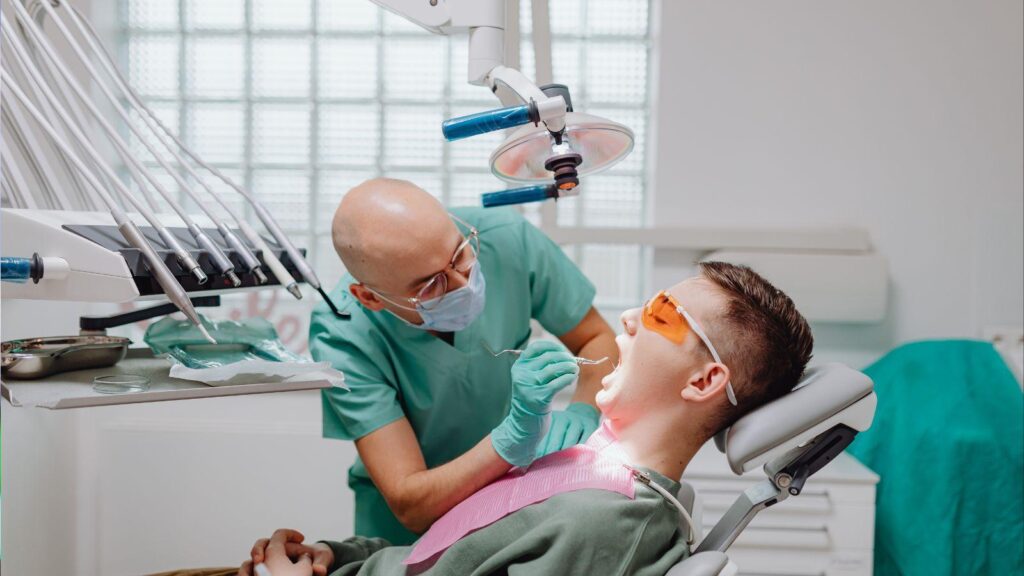
Feeling nervous about a dental visit is normal, and you can take simple steps to feel more in control and calmer before and during the appointment. Plan what you need — ask questions ahead of time, arrange a clear stop signal with your dentist in West Seneca, NY, and use breathing or grounding techniques to lower your anxiety.
You will learn why the fear happens, practical things to do before and during the visit, and where to find extra support if you need it. Keep reading to get clear, usable strategies that make appointments easier and help you keep your dental care on track.
Understanding Dental Anxiety
You can learn what usually causes fear, how to spot your own warning signs, and what happens if you skip care. Knowing these facts helps you plan steps that make visits easier.
Common Causes of Fear in Dental Settings
Many people fear pain from injections, drilling, or past bad experiences. If you had a traumatic procedure before, your brain links dental visits to pain. This makes your body react before anything actually happens.
Sounds and smells in the clinic can trigger strong reactions. The high-pitched drill, suction noise, and clinical smells may bring back memories or create new tension. Even seeing dental tools can raise your heart rate.
Loss of control and embarrassment also cause fear. Lying back with limited movement and someone working in your mouth can feel vulnerable. Worries about judgment—like being scolded for poor oral hygiene—make people delay visits.
Recognizing Symptoms and Triggers
Physical signs include sweaty palms, a fast heart rate, trembling, nausea, or shortness of breath. These can start while you book the appointment, sit in the waiting room, or once you enter the treatment chair. Notice when symptoms begin so you can use coping steps earlier.
Emotional signs are intense worry, dread, panic, or wanting to flee. You might avoid making appointments or cancel at the last minute. Triggers are often specific: a certain sound, the sight of needles, or memories from childhood.
Write down your triggers and symptoms to share with your dentist. This helps them offer options like breaks, hand signals, or sedation. Clear, honest communication reduces surprises and gives you more control.
Long-Term Effects of Avoiding Dental Care
Skipping the dentist often leads to worsening tooth decay, gum disease, and pain. Small problems grow into bigger ones that need fillings, root canals, or extractions. Treatment becomes more complex and costly the longer you wait.
Avoidance can affect your overall health. Gum disease links to higher risks of diabetes complications and heart issues. Chronic tooth pain or infections can reduce sleep quality and increase stress.
Avoiding visits also increases anxiety over time. The more you avoid, the more your fear feels justified, and the harder it becomes to return. Taking one small step—like a phone call or a short checkup—can break that cycle.
Practical Steps for Reducing Stress
You can lower anxiety by preparing ahead, using simple relaxation skills, and bringing items that comfort you. Each step helps you feel more in control during the visit.
Effective Communication With Your Dentist
Tell your dentist about your anxiety before the appointment. Call when you book and say you feel nervous; ask how long the visit will take and what will happen. During the exam, use a clear signal—like raising your hand—to pause treatment if you need a break.
Ask about pain control and sedation options if you worry about discomfort. Request a step-by-step explanation before any procedure starts so nothing feels surprising. If you prefer, bring a short list of questions to read aloud or hand to the staff.
Confirm appointment timing that suits you. Morning slots often mean less waiting. Also ask whether you can tour the office first or meet the hygienist briefly; familiarity reduces fear for many people.
Breathing and Relaxation Techniques
Practice slow breathing before and during the visit to lower heart rate. Try this: inhale for 4 counts, hold 1–2 counts, exhale for 6–8 counts. Repeat until you feel calmer. Use your phone timer to guide a few minutes of this before entering the clinic.
Progressive muscle relaxation helps if tension builds. Tense a muscle group for 5 seconds, then relax. Move from feet to head or the reverse. Do this quietly in the waiting room or chair.
Distract your mind with focused tasks. Listen to a playlist, an audiobook, or a guided relaxation app. Headphones also cut out office noises that trigger anxiety.
Bringing Comfort Items to Your Appointment
Bring small items that calm you, like a soft scarf, a stress ball, or a favorite playlist. Familiar textures or sounds can anchor you when the environment feels unfamiliar. Keep items compact so they don’t interfere with care.
Ask whether you can bring a support person. Having someone you trust sit in the room or the waiting area can ease fear. Confirm office policy ahead of time, since some procedures limit who can stay.
Use practical comfort too. Wear loose clothing and avoid strong scents that might clash with office smells. Bring a bottle of water and, if you get lightheaded, eat a light snack beforehand unless fasting is required.
Support Resources and Professional Guidance
You can get help from counselors, choose a dentist who understands anxiety, and discuss medicines or sedation that fit your needs. Each option affects how comfortable and safe your visit will be.
Pre-Appointment Counseling Options
Talk therapy can reduce fear before dental visits. Look for a therapist who uses cognitive behavioral therapy (CBT) or exposure techniques. CBT helps you change anxious thoughts about pain or loss of control. Exposure therapy lets you face parts of the visit in small steps, like sitting in a dental chair or hearing dental sounds.
Ask your therapist about short, focused plans timed to your appointment date. Some clinics offer brief pre-appointment sessions or virtual coaching. If you prefer group support, search for local anxiety or dental-phobia groups where people share coping tips.
Choosing the Right Dental Provider
Pick a dentist and staff who ask about anxiety and listen without rushing. Call the office and describe your worries; note how they respond. A good team will explain steps, offer breaks, and agree on a stop signal you can use during treatment.
Consider specialists in dental anxiety or offices that advertise sedation options. Read patient reviews that mention calm staff and clear communication. Check whether the clinic allows a support person to come with you and whether they schedule longer appointments to reduce pressure.
Medication and Sedation Considerations
Talk to both your dentist and your primary care doctor before trying sedatives. Options range from nitrous oxide (laughing gas) for mild anxiety to oral sedatives like benzodiazepines for moderate fear, and IV sedation for stronger needs. Each has different effects, recovery times, and medical risks.
Ask about monitoring during sedation and whether the office has emergency protocols. Tell providers about all medications, health conditions, and past reactions. Arrange someone to drive you home if you use oral or IV sedation.