
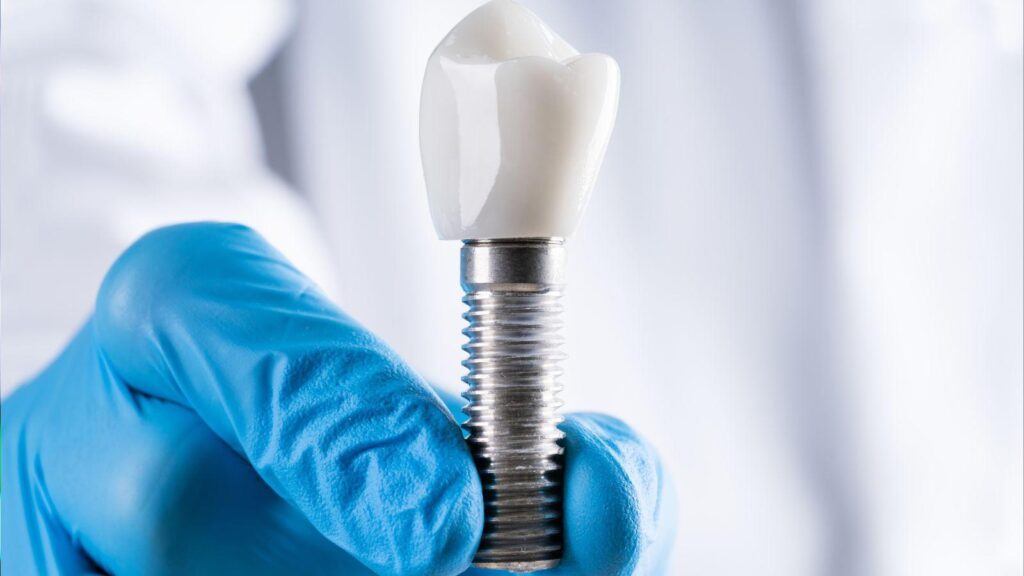
Losing a tooth can change how you eat, talk, and smile. A single tooth implant gives you a long-lasting replacement that looks and works like a natural tooth, and it often protects the health of the teeth next to it — all part of the comprehensive dental implants in Blaine, WA that can restore your confidence and function if you have healthy gums and enough jawbone.
This post will walk you through who makes a good candidate, what the step-by-step procedure involves, and what to expect during recovery and follow-up care so you can decide with confidence.
Eligibility Criteria and Patient Profiles
You will need good overall health, a strong jawbone at the implant site, and reliable daily oral care. Certain medical conditions, age factors, and habits can change how well implants work or how your treatment is planned.
Health Conditions Affecting Suitability
Certain chronic illnesses can slow healing or raise infection risk. Uncontrolled diabetes, for example, increases implant failure risk; controlled diabetes with good blood sugar levels is usually acceptable. Autoimmune disorders and treatments that suppress the immune system may also require medical clearance.
Medications matter. Drugs that affect bone turnover—like bisphosphonates or long-term steroids—can raise complications such as poor bone integration. Recent cancer treatment or radiation to the jaw often needs a specialist’s assessment.
Active oral infection or untreated gum disease must be resolved first. Your dentist will treat infections, clean disease, and check that you heal before placing an implant.
Age Considerations and Jawbone Maturity
You need a jawbone that finished growing. For most people, that means waiting until late teens for females and early twenties for males. Placing an implant before bone maturity risks misalignment as your jaw changes.
Older adults can receive implants if bone quality is adequate. Age alone isn’t a disqualifier; rather, bone density and medical health guide decisions. If bone loss exists, your dentist may recommend bone grafting or alternate implant placement techniques.
Imaging (CBCT or X-rays) helps measure bone height and width. Your dentist uses those images to plan implant size, angle, and whether grafting is needed before surgery.
Lifestyle and Oral Hygiene Factors
Your daily habits influence long-term success. Smoking lowers blood flow and doubles the chance of implant failure; quitting before and after surgery improves outcomes significantly. Heavy alcohol use also impairs healing and raises infection risk.
You must commit to regular oral hygiene: brushing twice daily, daily flossing, and routine dental visits. Poor oral care can lead to peri-implantitis (gum infection around the implant) and structural failure.
Bruxism (teeth grinding) puts extra force on implants. If you grind your teeth, your dentist may fit a nightguard or use stronger implant designs and crowns to protect the implant.
Step-by-Step Overview of the Procedure
You will move through three main phases: planning and scans, placing the titanium implant in your jaw, and attaching the connector plus the final crown. Each phase has clear goals, typical timelines, and actions you will need to take.
Initial Consultation and Digital Imaging
At your first visit, the dentist checks your medical and dental history and examines the mouth. Expect X-rays and a 3D cone beam CT scan to measure bone height and nerve positions. These images help decide implant size, angle, and whether you need a bone graft.
Your dentist will also take intraoral scans or impressions to map nearby teeth and bite. They explain anesthesia options and give an estimate for costs and healing time. If you need a bone graft or sinus lift, that may be scheduled before implant placement.
Before you leave, you receive written instructions about eating, medications, and arranging transport. If you smoke or take certain drugs, the dentist will discuss changes to improve healing.
Surgical Placement Phase
On surgery day, you get local anesthesia; sedation is available if you prefer. The surgeon makes a small gum opening, drills a pilot hole, and places a titanium implant into the jawbone with controlled torque.
The implant sits below the gum or with a temporary healing cap. If you had a bone graft, healing may take longer. Typical healing (osseointegration) lasts 3–6 months for most adults, shorter in the front of the mouth for good bone quality, and sometimes longer in the molar area.
Expect mild swelling, bruising, and soreness for a few days. Follow post-op rules: ice, soft food, avoid smoking, and take prescribed antibiotics or pain medicine. Attend a follow-up to check healing and remove stitches if needed.
Abutment and Crown Attachment
After the implant fuses to bone, the dentist exposes the implant and connects an abutment, which links the implant to your crown. The abutment can be stock or custom; custom abutments match your gum line better.
Your dentist or lab then makes the final crown from porcelain, zirconia, or porcelain-fused-to-metal. They check color, shape, and bite and may ask for a temporary crown while the final one is made. The final crown is cemented or screwed onto the abutment.
You’ll get instructions on cleaning around the crown and scheduling regular checkups. With proper care—brushing, flossing, and dental visits—the implant crown should function like a natural tooth.
Expected Outcomes and Aftercare
You can expect a predictable healing course, a durable final tooth, and routine care to keep the implant healthy. Most issues are minor and manageable with simple steps.
Recovery Timeline
The first 24–72 hours focus on bleeding control and pain management. You will likely have swelling and mild pain; use cold packs for 20 minutes on, 20 minutes off, and take prescribed or over‑the‑counter pain meds as directed. Stick to soft foods for 7–10 days and avoid chewing on the implant side until your dentist says otherwise.
Osseointegration (the implant fusing with bone) usually takes 3–6 months. During this time avoid hard, sticky foods and smoking, as both slow healing. Your dentist will schedule follow‑up visits at 1–2 weeks, 3 months, and before crown placement to check healing and take X‑rays.
Long-Term Maintenance Practices
Brush twice daily with a soft-bristled brush and use low‑abrasive toothpaste to protect the crown finish. Floss once daily; use floss designed for implants or an interdental brush sized to the gap between the implant and adjacent teeth.
Schedule professional cleanings and exams every 3–6 months the first year, then every 6–12 months based on your clinician’s advice. Avoid habits that stress the implant, like biting nails, opening packages with your teeth, or chronic teeth grinding. If you grind, ask about a nightguard to protect the implant and natural teeth.
Potential Risks and Complications
Infection at the implant site (peri‑implantitis) can cause pain, swelling, and bone loss if not treated. Watch for persistent bleeding, increasing pain, pus, or loosening of the implant and contact your dentist right away.
Other possible issues include nerve irritation causing numbness or tingling, sinus complications for upper implants, and poor osseointegration leading to implant failure. Risk rises with uncontrolled diabetes, smoking, or poor oral hygiene. Your dentist will discuss your personal risk factors and may recommend imaging or preventive steps before treatment.
- Warning signs to report immediately:
- Increasing pain after the first week
- Fever or pus at the site
- Implant mobility
- Preventive actions to follow:
- Keep appointments, maintain hygiene, and avoid tobacco use